
What Is a Mother?
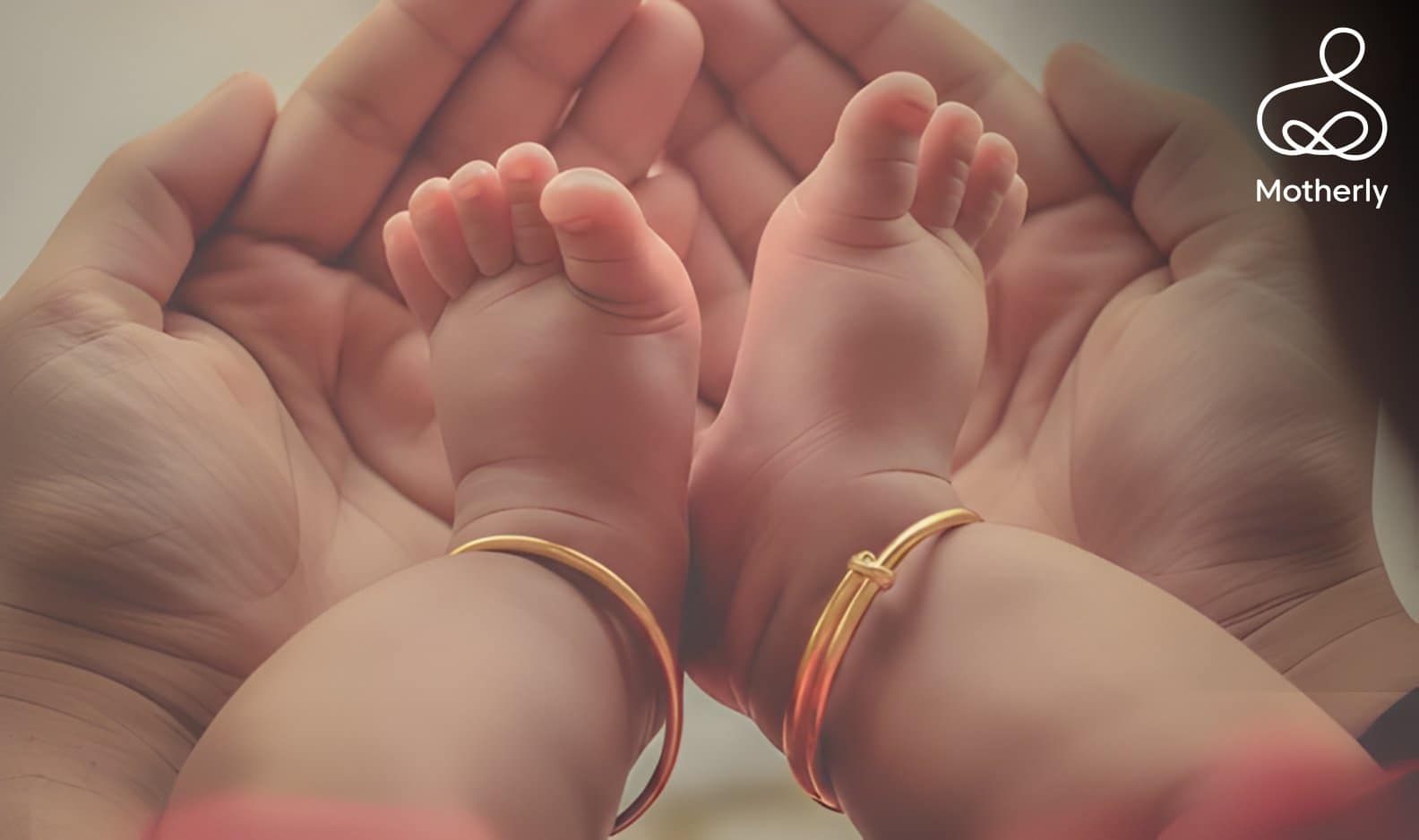
What Is a Mother?
The Soul, Science, and Strength Behind the Word That Created the World
Across languages, cultures, and centuries, "Ma" is often a child's first sound — not just because it's easy to pronounce, but because it feels natural, primal, and deeply instinctive. Linguists say that "Ma" is among the earliest phonetic sounds babies form, created when lips first meet — a gesture of comfort, closeness, and need.
But beyond language, motherhood is an emotion that begins long before birth and lasts long after life. It is not defined merely by biology, but by a boundless capacity to nurture, protect, and love — even when it hurts.
1. The Biological Miracle — How a Mother's Body Becomes Two
A mother's body is nature's most extraordinary creation. Science reveals that during pregnancy, the mother and child are biologically intertwined in ways far beyond imagination.
Microchimerism
Scientists have discovered that a baby's cells remain inside the mother's body for decades, even after birth. These tiny cells travel through her bloodstream and integrate into her tissues — particularly her heart and brain. In a way, she literally carries her child within her, forever.
Neuroplasticity of Love
The mother's brain rewires during pregnancy and postpartum. Areas responsible for empathy, memory, and emotional regulation expand. Studies show that even hearing her baby's cry activates the same brain circuits as physical pain — that's how deeply connected they are.
The Hormonal Symphony
Oxytocin, the "love hormone," surges during childbirth and breastfeeding, creating attachment. Prolactin enhances nurturing instincts. Endorphins provide resilience during sleepless nights and physical exhaustion.
2. The Psychology of a Mother's Love
Every human's first experience of love, safety, and identity is shaped by their mother. Psychologists like John Bowlby and Mary Ainsworth developed Attachment Theory, showing how a child's bond with the mother forms the foundation of all future relationships.
What a Mother Teaches
Long before a child learns language
Through her presence
- When she picks up her crying child, the child learns: I am seen. I matter. I am safe.
- When she comforts, listens, and holds space, she teaches emotional regulation.
- Her arms are the first classroom of emotional intelligence.
The Invisible Mental Load
The weight modern research reveals
Silently carried
- Many mothers silently struggle with guilt, anxiety, and identity loss.
- Research on "emotional labor" reveals how mothers carry the weight of planning and worrying.
- Motherhood is not instinct alone — it is infinite emotional intelligence.
3. The Archetype of Mother Across Cultures
Every civilization has worshiped motherhood — because she represents both creation and compassion. Though expressions differ, the essence remains the same — a mother is the living embodiment of nurturing energy.
Hinduism: The Divine Feminine
In Hinduism, the mother is revered as Shakti — the cosmic energy that creates, protects, and transforms. Parvati represents unconditional love and patience. Durga stands for fierce protection and inner strength. Yashoda, though not Krishna's biological mother, shows that motherhood is defined by love, not lineage. "Maa" is both strength and softness — the universe's balance in human form.
Christianity: The Sacred Motherhood of Mary
Mother Mary's love is eternal — her quiet acceptance, her tears beneath the cross, and her unwavering faith symbolize selfless sacrifice. She is revered not just as Jesus' mother but as a universal symbol of grace and forgiveness.
Islam: The Door to Paradise
Prophet Muhammad (PBUH) said, "Paradise lies at the feet of your mother." In Islam, a mother's prayers are believed to hold divine weight, and her care is considered one of the highest forms of worship.
African & Indigenous Beliefs: The Earth Mother
In many African, Native American, and Aboriginal cultures, the Earth itself is seen as "The Great Mother" — provider of food, water, and shelter. The land is sacred, not owned — because it is "Mother." This reverence teaches humanity to live in balance with nature.
Buddhism: Compassion as Motherhood
Buddhist teachings say: "All beings have been our mothers in some lifetime." It reminds us that every act of kindness is a form of mothering — a reflection of infinite compassion that transcends one lifetime or body.
Greek Mythology: Gaia and Demeter
Gaia, the Earth Mother, was the first deity — the womb of all creation. Demeter, goddess of harvest, symbolizes a mother's enduring sorrow and renewal through the story of her daughter Persephone. These myths reflect how deeply ancient societies associated motherhood with fertility, cycles, and resurrection.
Japanese Shintoism: Amaterasu, the Sun Goddess
Amaterasu represents the divine light of care — her warmth sustains life, her withdrawal brings darkness. The Sun Mother teaches balance: a mother nurtures, but also restores herself.
Celtic & Norse Traditions: The Triple Goddess
Represented as Maiden, Mother, and Crone, this trinity symbolizes the stages of womanhood — birth, creation, and wisdom. The "Mother" phase represents abundance, fertility, and unconditional protection.
Get Expert Postnatal & Maternal Support at Motherly
Our certified infant specialists and postnatal care experts support new parents with guidance, reassurance, and hands-on care across Chennai.
Book at Motherly →4. The Many Types of Mothers
Not every mother is born through childbirth — but every mother gives birth to love, courage, and belonging. Modern motherhood wears many faces, each one equally sacred.
5. The Evolutionary & Social Science of Motherhood
Anthropologists say humanity evolved because of cooperative mothering. In early tribes, women cared for each other's children, ensuring survival. This instinct to nurture beyond one's own offspring shaped empathy — the very emotion that makes us human.
Neuroscience
- Empathy circuits are strongest in those who've cared for others — proving that nurturing transforms the nurturer too.
- Cooperative mothering in early tribes shaped the human capacity for empathy.
Sociology
- Societies that support mothers — with healthcare, rest, and equal parenting roles — show higher happiness indexes.
- Children in supported families demonstrate stronger emotional stability.
6. Beyond Biology — The Universal Mother Within
Every person carries a trace of the "mother" within. It's the instinct to protect the fragile, to heal, to comfort, to listen. Whether you are a father, teacher, friend, or caregiver — the moment you show compassion, you awaken the mother archetype within you.
- Even artists, healers, and leaders often channel "maternal energy" — the urge to create and care.
- The mother archetype transcends gender — it lives in every act of protection, tenderness, and nurturing.
- Compassion itself is a form of mothering — infinite, boundless, and transformative.
7. The Unseen Side: Motherhood and Mental Health
While we glorify motherhood, we rarely speak of its emotional storms. Research shows that up to 20% of new mothers experience postpartum depression, and many more struggle with anxiety, sleep deprivation, and loneliness.
8. Final Words: The Quiet Heroism of Every Mother
From the woman who gives birth to the one who gives direction, from the mother who holds a newborn to the one who lets her grown child go — each carries a form of sacred surrender.
Every "goodnight," every "be careful," every "did you eat?" — is a prayer disguised as habit.
Her love is not loud — it's rhythmic, like a heartbeat in the background of our lives. You may outgrow her lap, but never her prayers.
"A mother doesn't create life — she creates love, and love keeps the world alive."
At Motherly, we understand how sacred and demanding the journey of motherhood truly is. Our postnatal care experts, certified doulas, and infant specialists are here to guide you with compassion — because every mother deserves to feel seen, supported, and celebrated.
Complete Circle of Care — Motherly Is Ready
Certified doulas, skilled midwives, gynaecologists, and postnatal nannies — all in one app, available across Chennai.
Book on Motherly → Free to download · Android & iOS · Book in under 2 minutes · mothrly.comMotherly Editorial Team
Written by Chennai's trusted maternal care platform. Motherly connects pregnant and new mothers with certified doulas, midwives, postnatal nannies, and gynaecologists. Visit mothrly.com to book expert support near you.
Stay Updated with Motherly
Keep Reading
Why Is My Breast Milk Not Coming? Causes and Easy Solutions
You're exhausted. You've been feeding your baby what feels like every hour. Your mother-in-law says feed more...
Why Is It So Hard to Lose Weight While Breastfeeding?
You're exhausted. You've been feeding your baby what feels like every hour. Your mother-in-law says feed more...
When Do You Lose the Most Weight While Breastfeeding?
You're exhausted. You've been feeding your baby what feels like every hour. Your mother-in-law says feed more...