
Pineapple in Pregnancy: A Loving, Detailed Guide for You, Sweet Mama
Every piece of content at Motherly is created with care, compassion, and a commitment to accuracy. Our team ensures that every article, guide, and insight reflects the highest standards of medical integrity, clarity, and empathy. To learn how we maintain trustworthy, evidence-based information that supports your parenting journey, explore our content review principles.
Pineapple During Pregnancy: Your Nurturing Nutrition Companion
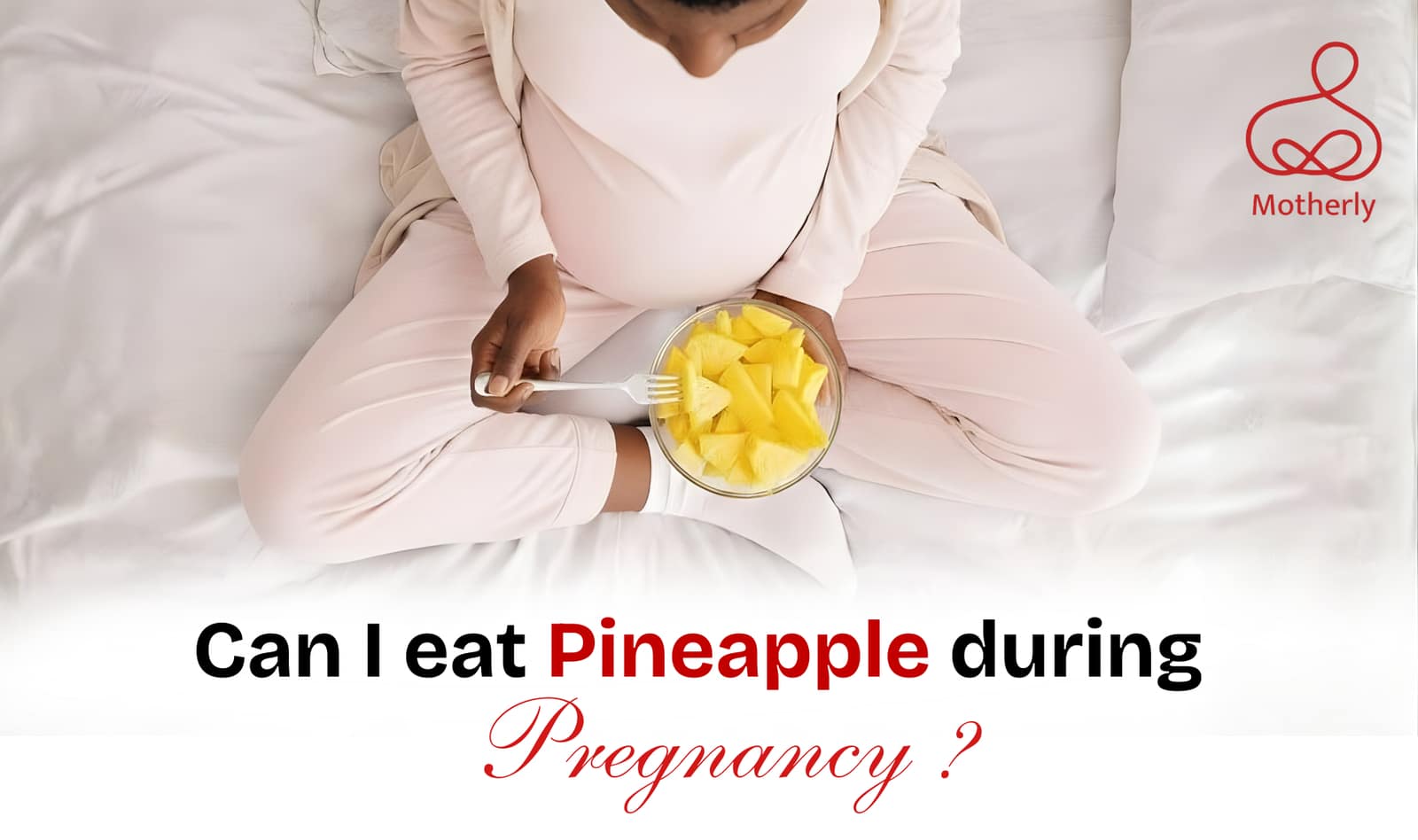
Pineapple often stands out as pregnancy's most confusing fruit.
Some say avoid it completely, calling it "hot" in our Indian traditions. Others whisper it could cause early loss. But sweetheart, many of us crave its refreshing tang to soothe queasy mornings. This back-and-forth leaves you torn—wanting it, yet worried you're risking your little one. I know that ache; I've felt it myself.
This guide wraps you in a mother's embrace and a doctor's wisdom.
Like chatting over chai with your most trusted maternity nurse, we'll gently unpack pineapple during pregnancy—its true safety, trimester tips, nutrition, and myths. No scare tactics, just clear facts to empower you. Every body is unique, so moderation and listening to yours matter most.
Unraveling the Myths: Why Pineapple in Pregnancy Worries Us
If you are pregnant and someone has warned you about pineapple, you are not alone. Almost every expecting mother hears this advice at some point—sometimes from elders, sometimes from friends, and very often from the internet. What usually starts as concern slowly turns into fear, making women question even the smallest food choices.
In many families, pineapple is labelled as a "hot" fruit. This belief has been passed down for generations, often without explanation. Elders say it out of love, wanting to protect both mother and baby. Over time, this advice became linked with miscarriage, even though most people cannot clearly explain why. When such warnings are repeated again and again, they naturally begin to feel real predominately to a woman who is already emotionally sensitive during pregnancy.
The confusion deepens when a pregnant woman searches online. A simple question like "Can I eat pineapple during pregnancy?" often leads to frightening headlines and half-written answers. Words like abortion and miscarriage appear without context, without science, and without compassion. For a mother who only wants to do the right thing, this can create unnecessary anxiety and guilt.
Another reason pineapple is feared is because it is often mentioned in the same breath as papaya. While unripe papaya does need caution, pineapple is different. Unfortunately, this difference is rarely explained, and the two fruits are treated as equally dangerous. This lack of clarity adds to the worry.
Then there is the word bromelain. Many women hear that pineapple contains bromelain and immediately panic, without being told what it actually is or how it behaves in the body. Without proper explanation, one unfamiliar word becomes enough to create months of fear.
Nutritional Power of Pineapple for Expecting Mamas
During pregnancy, every nutrient plays a gentle but important role in supporting both the mother's body and the baby's growth. Pineapple, often misunderstood, is actually rich in essential vitamins, minerals, and natural compounds that can be beneficial when consumed in moderation. Understanding what pineapple offers nutritionally helps expecting mothers make calm, confident food choices—without fear or confusion.
| Nutrient in Pineapple | Why It Matters During Pregnancy | How It Helps an Expecting Mother |
|---|---|---|
| Vitamin C | Pregnancy can slightly lower immunity | Strengthens the immune system, helps fight infections, and improves iron absorption to prevent anaemia |
| Vitamin B6 | Essential during early pregnancy | Helps reduce nausea and morning sickness, supports baby's brain and nervous system development |
| Dietary Fiber | Digestion slows due to hormonal changes | Prevents constipation, improves bowel movement, and supports gut comfort |
| Folate (Vitamin B9) | Critical for fetal development | Supports healthy growth of the baby and reduces the risk of neural tube defects |
| Magnesium | Supports muscles and nerves | Helps reduce leg cramps, supports relaxation, and eases pregnancy-related fatigue |
| Antioxidants | Protect cells from stress | Helps protect maternal cells, supports overall wellness, and reduces inflammation |
| Natural Enzymes (Bromelain) | Often misunderstood | Supports digestion when consumed in small amounts; safe when pineapple is eaten in moderation |
| Water Content | Hydration is essential in pregnancy | Helps prevent dehydration and supports healthy circulation |
| Natural Sugars | Provide quick energy | Helps combat pregnancy fatigue when eaten in controlled portions |
Bromelain Demystified: The Real Scoop on Pineapple Safety
One of the biggest reasons pineapple creates fear during pregnancy is a word that sounds intimidating—bromelain. Many expecting mothers hear this word and immediately feel anxious, without ever being told what it truly means or how it actually behaves in the body.
Bromelain is a natural enzyme found in pineapple, mainly concentrated in the hard core, not the soft, juicy flesh that we usually eat. In everyday food amounts, bromelain helps with digestion and protein breakdown. The quantity present in a few slices of ripe pineapple is very small and does not have the power to affect pregnancy in a healthy woman.
The fear comes from the idea that bromelain can "weaken the uterus." What is often not explained is that this concern applies only to highly concentrated bromelain supplements, not to natural pineapple eaten as food. Supplements are very different from fruits, and pregnancy guidelines clearly separate the two.
First Trimester: Tender Beginnings
(Pineapple During Pregnancy First Trimester)
The first trimester is a delicate emotional phase. Hormones are changing rapidly, nausea is common, and fear of miscarriage often weighs heavily on a mother's mind. It is natural to be extra cautious during this time.
Yes, pineapple can be eaten in the first trimester, but gently and in small amounts. A few fresh pieces once or twice a week are generally safe for women with a healthy pregnancy. Pineapple's vitamin C and natural freshness can sometimes help with fatigue and mild nausea.
- Avoid eating pineapple on an empty stomach — this can increase acidity or discomfort
- Do not consume large quantities — a few pieces, not a whole bowlful
- Avoid concentrated pineapple juice — the sugar and acidity may cause discomfort
- Consult your doctor first if you have a history of miscarriage, spotting, or severe cramps
Second Trimester: Your Radiant Pineapple Haven
The second trimester is often the most comfortable phase of pregnancy. Nausea usually settles, energy improves, and digestion becomes more stable. This is when many women start enjoying food again — and pineapple can fit beautifully into this phase.
During the second trimester, pineapple may help:
Fresh pineapple slices, a light smoothie, or small amounts of homemade juice can be enjoyed as part of a balanced diet. This is the phase where pineapple feels less "scary" and more nourishing.
As always, moderation matters. Pineapple should be a supporting fruit, not a daily habit in large quantities. When eaten mindfully, it can add both nutrition and joy to a pregnant woman's plate.
Third Trimester: Comfort in the Final Stretch
(Pineapple During Pregnancy Third Trimester)
The third trimester brings its own challenges — heaviness, bloating, acidity, fatigue, and slower digestion. At this stage, comfort becomes just as important as nutrition.
Pineapple can still be safely enjoyed in the third trimester, including the ninth month, as long as it is eaten in small portions. The fiber content may help with constipation, and the refreshing taste can feel soothing during physical discomfort.
Enjoy With Care
- Small portions only — 100–150g maximum
- Daytime consumption is preferred
- Pairs well with meals, not alone on an empty stomach
- Freshly cut is always best
Avoid These in Third Trimester
- Eating pineapple late at night if you have reflux
- Large quantities in one sitting
- Packaged or canned pineapple with added sugar
- Concentrated pineapple juice on an empty stomach
In the final stretch, pineapple is best enjoyed as an occasional comfort fruit — not as a daily craving.
Pineapple Juice in Pregnancy: Sips of Pure Joy
For many women, pineapple juice feels easier than chewing fruit — especially during nausea or fatigue. Pineapple juice can be enjoyed during pregnancy, but it deserves extra care.
| Fresh homemade juice (diluted) | The safest choice — offers hydration, vitamin C, and a refreshing lift without concentrating sugars |
| Half a glass occasionally | The right portion — a few sips or half a glass is more than enough to enjoy the benefits |
| Paired with a meal or snack | Reduces acidity and slows sugar absorption — always better than drinking on an empty stomach |
| Packaged / store-bought juice | Best avoided — contains added sugar, preservatives, and concentrated bromelain levels |
Disadvantages of Eating Pineapple During Pregnancy
While pineapple is safe in moderation, it is important to understand when it may cause discomfort. Knowing this helps mothers make informed, calm choices.
Possible disadvantages when pineapple is overconsumed include:
A Gentle Emotional Note for Mothers
If you're asking questions like "is pineapple safe in pregnancy?" or "can pregnant women eat pineapple?", please remember — these doubts come from care, not fear. Pregnancy naturally makes you cautious, especially when you hear that pineapple during pregnancy could be harmful. Such worries are common, but they don't define your love or ability as a mother.
Eating pineapple in pregnancy is about moderation and understanding, not guilt. Whether it's pineapple in the first trimester, pineapple in the third trimester, or pineapple juice during pregnancy, what matters most is listening to your body and choosing calm, reliable information.
Book a Pregnancy Care Consultation — Motherly Is Ready
Certified gynaecologists, doulas, lactation consultants, and postnatal nannies — all in one app, available across Chennai.
Book on Motherly → Free to download · Android & iOS · Book in under 2 minutes · mothrly.comFAQs — Pineapple During Pregnancy
Stay Updated with Motherly
Keep Reading
Why Is My Breast Milk Not Coming? Causes and Easy Solutions
You're exhausted. You've been feeding your baby what feels like every hour. Your mother-in-law says feed more...
Why Is It So Hard to Lose Weight While Breastfeeding?
You're exhausted. You've been feeding your baby what feels like every hour. Your mother-in-law says feed more...

When Do You Lose the Most Weight While Breastfeeding?
You're exhausted. You've been feeding your baby what feels like every hour. Your mother-in-law says feed more...