
Foods That Increase Breast Milk vs Foods You Should Avoid: A Complete Guide for Indian Mothers
You’re a new mom, you want to breastfeed, and everyone around you family, friends, the internet seems to have an opinion about what you should and shouldn’t eat. Eat this. Avoid that. Soak that overnight. Have three of those a day.
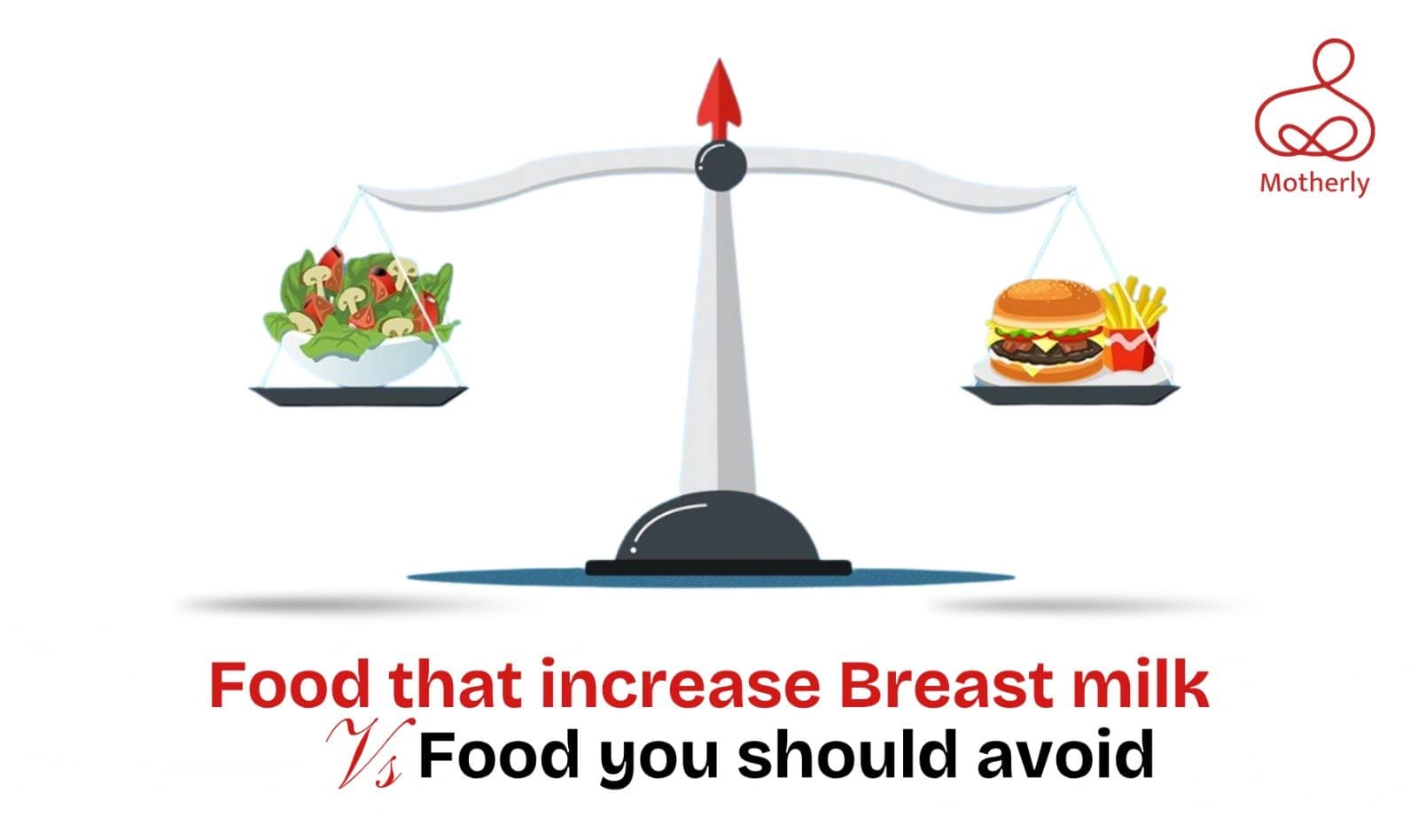
Foods That Increase Breast Milk vs Foods You Should Avoid: A Complete Guide for Indian Mothers
This guide covers the foods that genuinely support breast milk production, the ones you should eat in moderation, and those that may impact your supply or your baby’s comfort — all rooted in nutritional science and Indian dietary context.
What Does a Breastfeeding Mother’s Body Actually Need?
Producing breast milk is energetically demanding. You need approximately 400–500 extra calories per day on top of your normal intake. These calories should come from nutrient-dense sources — not empty carbs or junk food.
- Calories: Your body cannot make milk without adequate energy
- Protein: Needed for milk composition and tissue repair — aim for 65–75g daily
- Calcium: Critical for baby’s bone development; depleted from your stores if dietary intake is low
- Iron: Postpartum iron deficiency is extremely common in India and indirectly affects energy and milk quality
- Omega-3 fatty acids: Support baby’s brain development and pass into breast milk
- Fluids: Aim for 2.5–3 litres daily — breast milk is mostly water
Foods That Increase Breast Milk: Indian Superfoods for Lactation
Here are the most powerful, time-tested Indian galactagogues — and exactly how to use them every day.
Ragi (Finger Millet)
Ragi is one of the best foods for breastfeeding Indian mothers. It is rich in calcium, iron, and complex carbohydrates. Ragi porridge (ragi kanji) is a traditional postpartum food in South India for good reason — it provides sustained energy and supports milk production. How to use: Make ragi kanji with milk and jaggery, or prepare ragi mudde as part of a dal-based meal.
Oats (Daliya / Rolled Oats)
Oats are rich in beta-glucan, a type of fibre that may stimulate the production of prolactin — the key milk-making hormone. They are also an excellent source of iron. How to use: A warm bowl of oats porridge with milk and nuts is an ideal lactation-boosting breakfast. Or make oat-based laddoos with ghee and dry fruits.
Fenugreek Seeds (Methi Dana)
Fenugreek is perhaps the most well-studied herbal galactagogue. Multiple studies have shown it can increase milk volume. How to use: Use in methi laddoos, methi paratha, or as a tea. Note: some women experience digestive discomfort or a maple-syrup-like odour. Use in culinary moderation.
Garlic (Lehsun)
Garlic has been shown in some studies to increase milk intake in babies — possibly because it flavours the milk in a way babies find appealing, leading to longer feeds and more stimulation. How to use: Add generously to dals and sabzis, cooked in ghee for best results. Avoid raw garlic in excess.
Bottle Gourd (Lauki)
High in water content and easy to digest, lauki has long been a postpartum staple. It helps with hydration and is very easy on the digestive system during recovery — both important when your body is healing and producing milk. How to use: Lauki sabzi with a light tadka, or lauki dal for a complete nutritious meal.
Lentils and Pulses (Dal)
All lentils — masoor, moong, chana, toor — are excellent sources of plant-based protein and iron. They are easy to digest and form the backbone of a nutritious postpartum Indian diet. How to use: Dal tadka, moong dal khichdi with ghee, or chana dal with rice are ideal daily staples.
Green Leafy Vegetables (Palak, Methi Leaves, Moringa)
Spinach and fenugreek leaves are rich in iron and folate. Moringa (drumstick leaves, called ‘murungai keerai’ in Tamil) is particularly nutrient-dense and is traditionally used to support milk supply across South India. How to use: Palak dal, moringa sambar, or sautéed methi leaves with a light tadka.
Nuts and Seeds (Almonds, Sesame, Flaxseeds)
Almonds are a traditional postpartum food in North India — soaked overnight and eaten daily. They provide calcium, healthy fats, and protein. Sesame (til) is rich in calcium and flaxseeds are an excellent source of omega-3. How to use: Soaked almonds each morning, til laddoos with jaggery and ghee, or flaxseed added to roti dough.
Fennel Seeds (Saunf)
Rich in phytoestrogens, fennel is widely used in postpartum kadhas and teas. It may support both milk production and digestion in the breastfeeding mother — which means a calmer, less colicky baby. How to use: Saunf tea between meals, saunf water post-meal, or added to kheer and rice pudding.
Whole Grains (Brown Rice, Jowar, Bajra)
These provide sustained energy and essential minerals throughout the day. Bajra roti is a staple in many Indian states and an excellent choice for breastfeeding mothers. How to use: Replace refined flour rotis with jowar or bajra roti, or switch to brown rice for everyday meals.
Foods to Eat in Moderation While Breastfeeding
The following foods are fine in moderation but worth being mindful of:
Caffeine (Chai, Coffee) — Limit to 1–2 Cups Daily
Caffeine passes into breast milk and can make some babies irritable or affect their sleep. One to two cups of tea or coffee per day is generally considered safe for most breastfeeding mothers.
Spicy Foods — Observe Your Baby’s Response
Contrary to popular belief, most babies handle spiced breast milk fine. However, if your baby seems uncomfortable after you eat something particularly spicy, take note of the pattern and reduce that spice temporarily.
Dairy — Watch for Sensitivity Signs
Some babies are sensitive to cow’s milk proteins in the mother’s diet. If your baby has colic, skin rashes, or mucus in stool, discuss a temporary dairy elimination trial with your paediatrician before making any changes.
Gas-Producing Foods (Cabbage, Broccoli, Rajma)
Maternal gas doesn’t directly transfer to baby via milk, but some mothers notice a pattern with certain foods. Observe your baby’s comfort after meals and adjust your intake accordingly.
Getting the Right Nutrition for Your Supply?
A Motherly lactation consultant can review your diet and suggest personalised adjustments for your milk supply and recovery.
Book at Motherly →Foods That May Reduce or Harm Breast Milk Supply
While this list is shorter than the foods to include, it matters. These are the items most strongly associated with reduced supply or harm to your baby:
Myth vs Fact: Breastfeeding and Diet
There is a great deal of conflicting advice about what breastfeeding mothers can and cannot eat — especially in Indian households. Here is what the evidence actually shows.
| Myth | Fact |
|---|---|
| You must eat only bland food while breastfeeding | Most spices and flavours are fine and may actually help your baby accept diverse flavours when starting solids later. |
| Ghee must be eaten in large quantities to make rich milk | Moderation is key. Excess ghee adds calories but doesn’t directly improve milk composition. 1–2 teaspoons daily is reasonable. |
| You can’t eat eggs or non-veg while breastfeeding | Protein-rich foods including eggs, fish, and chicken are excellent for lactating mothers and support recovery and milk quality. |
| Drinking milk will increase your breast milk | Milk is a good calcium source but doesn’t directly increase supply. Overall balanced nutrition and hydration matter far more. |
| If you eat something, it will immediately harm the baby | Most foods are filtered through the system. What you eat affects milk much more subtly — acute reactions are rare. |
A Sample Lactation-Supportive Daily Meal Plan (Indian)
Here is a practical daily plan built around the best Indian lactation foods — easy to follow and suited to the postpartum period.
Morning
1 glass warm water with soaked almonds + ragi porridge or oats with milk, nuts, and seeds
Mid-Morning
Methi or moong dal cheela + a cup of saunf (fennel) water or warm jeera water
Lunch
1–2 whole grain rotis or brown rice + toor dal + palak or lauki sabzi + curd + a small bowl of salad
Evening Snack
A handful of roasted makhana or mixed nuts + coconut water or warm milk with haldi
Dinner
Khichdi with ghee + masoor dal + sautéed moringa or any dark leafy green
Throughout the Day
Aim for 10–12 glasses of water. Keep a bottle beside your nursing spot at all times.
When Diet Isn’t Enough: Getting Lactation Support
Sometimes, no matter how well you eat, supply concerns persist. This could be due to several factors that diet alone cannot fix:
- Latch issues preventing effective milk transfer to your baby
- Hormonal conditions affecting prolactin levels
- Insufficient glandular tissue (IGT)
- Stress, anxiety, or postpartum depression reducing let-down
If you’re doing everything right nutritionally and still struggling, Motherly’s certified lactation consultants can assess the full picture — identifying what’s happening and creating a personalised plan covering diet, feeding strategy, and more.
Lactation Consultants
Full dietary and feeding assessment, latch correction, pumping guidance, and relactation support.
Doulas
Emotional and physical postpartum support to reduce cortisol — a key factor in healthy milk let-down.
Postnatal Nannies
Trusted in-home newborn care so you can rest, eat well, and feed your baby more effectively.
Gynaecologists
Postnatal health assessments and hormonal support for breastfeeding mothers with complex needs.
Expert Lactation Support — Motherly Is Ready
Certified lactation consultants, doulas, postnatal nannies, and gynaecologists — all in one app, available across Chennai.
Book on Motherly → Free to download · Android & iOS · Book in under 2 minutes · mothrly.comA Final Word from Motherly
India’s breastfeeding food traditions exist for a reason. The foods your grandmother recommended — ragi kanji, methi laddoos, soaked almonds, moringa dal — are not superstition. They are generations of maternal wisdom, now increasingly supported by nutritional science.
Eat consistently, eat warmly, eat enough, and stay well hydrated. If your supply still feels low after two weeks of consistent effort, don’t wait — a Motherly lactation consultant can identify the root cause and get you back on track quickly.
FAQs — Breastfeeding and Diet
Motherly Editorial Team
Written by Chennai’s trusted maternal care platform. Motherly connects new mothers with certified lactation consultants, doulas, postnatal nannies, and gynaecologists. Visit mothrly.com to book expert support near you.
Stay Updated with Motherly
Keep Reading

Why Is My Breast Milk Not Coming? Causes and Easy Solutions
You're exhausted. You've been feeding your baby what feels like every hour. Your mother-in-law says feed more...

Why Is It So Hard to Lose Weight While Breastfeeding?
You're exhausted. You've been feeding your baby what feels like every hour. Your mother-in-law says feed more...

When Do You Lose the Most Weight While Breastfeeding?
You're exhausted. You've been feeding your baby what feels like every hour. Your mother-in-law says feed more...