
Third Trimester Pregnancy Diet Plan: What to Eat, What to Avoid & Essential Nutrients
Every piece of content at Motherly is created with care, compassion, and a commitment to accuracy. Our team ensures that every article, guide, and insight reflects the highest standards of medical integrity, clarity, and empathy. To learn how we maintain trustworthy, evidence-based information that supports your parenting journey, explore our content review principles.
Third Trimester Pregnancy Diet Plan: What to Eat, What to Avoid & Essential Nutrients
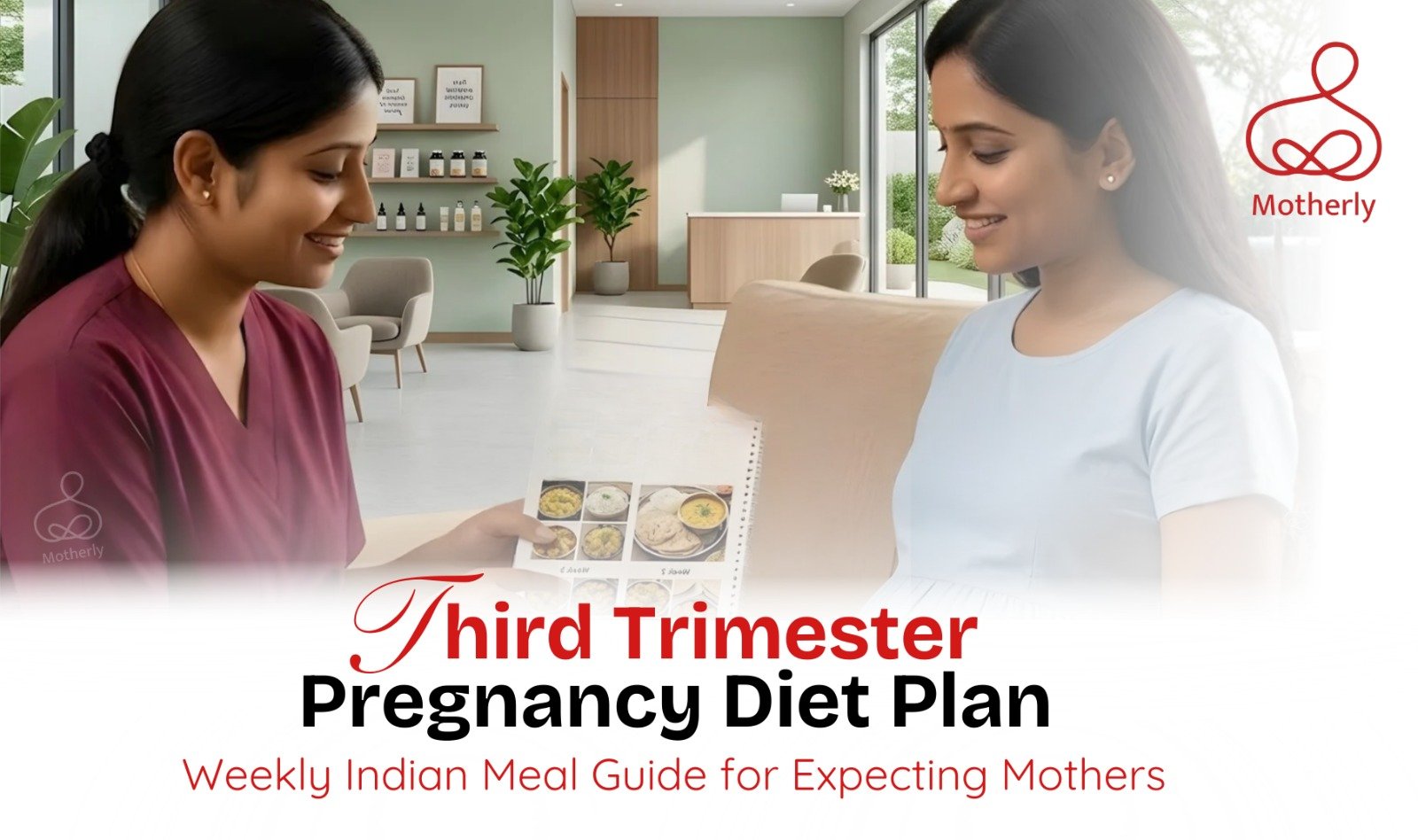
The third trimester is a critical phase of pregnancy when your baby grows rapidly in weight, brain development, and organ maturity. At the same time, your body prepares for labor, breastfeeding, and recovery. A structured pregnancy diet plan becomes essential during these final weeks to ensure optimal nutrition for both mother and baby.
Nutrition in this stage is not about eating more blindly but eating strategically. A well-planned diet plan focuses on nutrient density, steady energy, and proper supplementation to support physical strength and fetal development. Small consistent choices have a long-term impact on maternal health and baby growth.
As nutritional priorities evolve across pregnancy, understanding the foundations built through a first trimester pregnancy diet plan and a second trimester pregnancy diet plan helps ensure that the third trimester is supported with strength and stability.
At Motherly, we emphasize practical nutrition guidance that fits into real home-cooked meals rather than restrictive rules. The goal is clarity, balance, and sustainability.
Key Nutritional Needs in the Third Trimester
Increased Protein for Growth and Repair
Protein plays a vital role in fetal tissue growth, brain development, placenta support, and preparation of maternal muscles for labor. During the third trimester, protein requirements increase significantly. Most healthcare providers recommend around 75–100 grams per day depending on body weight and activity levels.
A strong pregnancy diet plan ensures that protein is included in every main meal and snack. Natural food sources include lentils, dal, rajma, chole, paneer, curd, milk, eggs, soy products, nuts, seeds, and well-cooked lean meats or low-mercury fish.
Including protein in combination with complex carbohydrates improves satiety and stabilizes blood sugar levels. This approach reduces fatigue and supports steady fetal growth.
Iron to Prevent Anemia
Blood volume increases during pregnancy, which raises iron requirements. In the third trimester, iron demand becomes even more important because the baby builds iron stores for birth.
Iron deficiency may lead to fatigue, low hemoglobin levels, dizziness, and increased risk during delivery. A pregnancy diet plan should therefore include iron-rich foods daily.
Good sources of iron include spinach, methi, black chana, beetroot, lentils, fortified cereals, and jaggery in moderation. Iron absorption improves when paired with vitamin C sources such as lemon, orange, or amla.
It is important to avoid tea or coffee immediately after iron-rich meals because they reduce absorption. Most doctors recommend iron supplementation along with dietary intake to maintain adequate levels.
Calcium and Vitamin D for Bone Development
Fetal bones mineralize rapidly in the third trimester. Calcium intake must therefore remain consistent to support skeletal growth and protect maternal bone strength.
The recommended calcium intake is around 1000 to 1200 mg per day. Milk, curd, paneer, ragi, sesame seeds, almonds, and calcium-fortified foods are effective sources.
Vitamin D supports calcium absorption and immune function. Daily requirements vary but generally range between 600 to 2000 IU depending on individual deficiency levels. Sun exposure, fortified milk, egg yolk, and supplements prescribed by a doctor contribute to maintaining adequate levels.
Calcium and iron supplements should not be taken at the same time because they compete for absorption. A balanced diet plan accounts for proper spacing between supplements.
Omega-3 Fatty Acids and Brain Development
Omega-3 fatty acids, especially DHA, play a critical role in fetal brain development, eye formation, and nervous system growth. Adequate intake may also reduce the risk of preterm birth.
The recommended DHA intake during late pregnancy is approximately 200 to 300 mg per day. Fatty fish such as salmon and sardines provide natural sources, while vegetarian options include algal oil, flaxseeds, chia seeds, and walnuts.
In many cases, healthcare professionals suggest supplementation to ensure adequate intake. A well-structured pregnancy diet plan integrates healthy fats alongside protein and fiber for comprehensive nutrition.
Sample Third Trimester Diet Plan (Daily Timetable)
Table: Daily Food Structure for Balanced Nutrition
Time | Food Suggestions | Nutritional Purpose |
Early Morning | Warm water with soaked almonds | Hydration and healthy fats |
Breakfast | Moong dal chilla with curd or eggs with multigrain toast | Protein and calcium support |
Mid-Morning | Fresh fruit with nuts | Fiber, vitamins, and energy |
Lunch | Roti or rice with dal, vegetables, and salad | Balanced macro and micronutrients |
Evening Snack | Coconut water, sprouts, or soup | Hydration and iron support |
Dinner | Khichdi or paneer sabzi with roti | Easy digestion and protein |
Bedtime | Warm milk | Calcium and relaxation |
This structured approach improves digestion, prevents acidity, and stabilizes energy levels throughout the day.
Table Caption: Example of a balanced pregnancy diet plan structure for the third trimester.
Foods to Include Regularly
Protein-rich foods such as lentils, paneer, eggs, soy, and well-cooked poultry strengthen tissue repair and fetal growth.
Iron-rich foods like spinach, black chana, beetroot, and fortified cereals help maintain healthy hemoglobin levels.
Calcium sources including milk, curd, ragi, and sesame seeds protect bone strength.
Healthy fats from nuts, seeds, avocados, and prescribed DHA supplements support brain development and hormone regulation.
Fiber-rich fruits, vegetables, whole grains, coconut water, and buttermilk improve digestion and reduce constipation.
Consistency in food choices makes a strong pregnancy diet plan effective without feeling overwhelming.
Foods to Avoid or Limit
Certain foods increase infection risk or interfere with fetal health. Raw or undercooked meat should be avoided due to bacterial contamination. High-mercury fish may affect the baby’s nervous system development.
Unpasteurized dairy products carry listeria risk. Excess caffeine can affect blood pressure and sleep quality. Alcohol must be completely avoided because there is no safe amount during pregnancy.
Highly processed junk foods contribute empty calories and may worsen bloating or rapid unhealthy weight gain. Heavy fried meals often aggravate heartburn, which is common in the third trimester.
Managing Common Third Trimester Symptoms Through Diet
Heartburn can be managed by eating smaller frequent meals and avoiding spicy or greasy foods. Remaining upright after meals also reduces discomfort.
Constipation improves with higher fiber intake, adequate water consumption of two to three liters daily, and light walking after meals.
Shortness of breath can be minimized by eating smaller portions and avoiding overeating. Proper posture also helps lung expansion.
Swelling may be reduced by lowering excessive salt intake, staying hydrated, and elevating legs when resting.
A practical diet plan supports symptom management naturally alongside medical care.
Role of Supplements
Even with a well-planned pregnancy diet plan, supplementation is often necessary. Doctors typically recommend iron, folic acid, calcium, vitamin D, and DHA during the third trimester.
Supplements help cover nutritional gaps but should never replace food. Medical guidance is essential before starting or adjusting dosage.
Final Thoughts
The third trimester is a powerful stage of preparation for childbirth and postpartum recovery. A thoughtful pregnancy diet plan ensures strong fetal growth, improved brain development, reduced anemia risk, and better maternal strength.
Following a structured diet plan based on whole foods, proper hydration, and appropriate supplementation creates long-term benefits for both mother and baby.
For a complete understanding of how nutritional needs shift across pregnancy, it is helpful to also explore the first trimester pregnancy diet plan and second trimester pregnancy diet plan, as each stage lays the groundwork for the next.
At Motherly, we focus on realistic nutrition guidance that supports Indian home cooking while maintaining scientific accuracy. Consistency matters more than perfection
Frequently Asked Questions
Is protein higher in the third trimester?
Yes. Protein requirements increase because the baby grows rapidly and maternal tissues prepare for labor and breastfeeding. Adequate daily intake supports muscle strength and fetal development.
How much weight gain is normal?
Weight gain depends on pre-pregnancy BMI, but most women gain between 10 to 14 kg throughout pregnancy. Your doctor can provide personalized guidance based on individual health conditions.
Can I eat eggs daily?
Yes, if eggs are well-cooked and tolerated. Eggs provide high-quality protein, choline, and essential nutrients that support fetal brain development.
In this article
Stay Updated with Motherly
Keep Reading

The Complete Vegetarian Pregnancy Diet Plan All 9 Months
A complete vegetarian pregnancy diet plan guide crafted for every mother-to-be in India
Third Trimester Pregnancy Diet Plan: What to Eat, What to Avoid & Essential Nutrients
The third trimester is a critical phase of pregnancy when your baby grows rapidly in weight, brain...
Weekly Pregnancy Diet Plan for Indian Women (Trimester-Wise Guide)
As your baby grows week by week, your body works quietly in the background—building organs, strengthening bones,...