
Second Trimester Pregnancy Diet Plan: What to Eat, What to Avoid & Essential Nutrients
Every piece of content at Motherly is created with care, compassion, and a commitment to accuracy. Our team ensures that every article, guide, and insight reflects the highest standards of medical integrity, clarity, and empathy. To learn how we maintain trustworthy, evidence-based information that supports your parenting journey, explore our content review principles.
Second Trimester Pregnancy Diet Plan: What to Eat, What to Avoid & Essential Nutrients
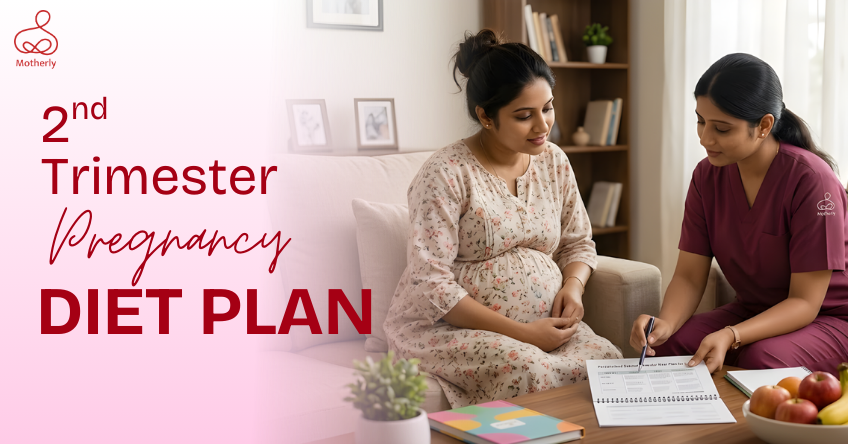
The second trimester is often considered the most stable and comfortable phase of pregnancy. Energy levels improve, nausea usually decreases, and many women begin to feel physically stronger. However, this stage also marks a period of rapid fetal growth — bones harden, muscles develop, organs mature, and blood volume increases significantly.
At Motherly, we believe nutrition during pregnancy should feel empowering, not overwhelming. A well-balanced pregnancy diet plan during the second trimester supports both maternal well-being and your baby’s development with clarity and confidence.
This phase is not about eating excessively. It is about building a thoughtful and sustainable diet plan that nourishes you every single day.
Essential Nutrients in a Second Trimester Pregnancy Diet Plan
During the second trimester, nutritional demands increase as your baby grows rapidly. Focusing on specific nutrients helps support healthy weight gain, tissue formation, and oxygen supply.
Nutrient | Why It Matters | Daily Requirement | Key Sources |
Protein | Supports tissue, organ, and muscle development | 71–100g | Lentils, paneer, eggs, chicken, fish, milk |
Iron | Prevents anemia and supports oxygen circulation | 27 mg | Spinach, lentils, jaggery, red meat |
Calcium | Strengthens baby’s bones and teeth | 1000–1200 mg | Milk, curd, ragi, sesame seeds |
Fiber + Fluids | Prevents constipation and supports digestion | 25–30g fiber + 8–12 glasses water | Fruits, vegetables, whole grains |
Protein should be distributed across meals rather than consumed in one sitting. Including dal at lunch, paneer or eggs at breakfast, and lean protein at dinner ensures steady amino acid supply.
Iron needs increase significantly because blood volume expands during pregnancy. If dietary intake is insufficient, doctors often prescribe supplements. Pair iron-rich foods with vitamin C sources to enhance absorption.
Calcium intake protects maternal bone density while supporting fetal skeletal formation. Consistent daily intake is more effective than occasional large portions.
Fiber and hydration help manage digestive changes caused by hormonal fluctuations. Increasing fiber gradually prevents discomfort.
Healthy Weight Gain in the Second Trimester
Weight gain becomes more noticeable during this stage. On average, women gain approximately 0.4–0.5 kg per week in the second trimester, though this varies based on pre-pregnancy BMI.
A balanced Second Trimester Pregnancy Diet Plan supports steady and healthy weight gain by:
- Providing nutrient-dense calories rather than empty calories
- Maintaining stable blood sugar levels
- Reducing excessive cravings caused by irregular meals
Instead of increasing portion sizes drastically, add nutrient-rich snacks such as fruit with nuts, yogurt with seeds, or whole grain toast with protein.
Healthy weight gain supports fetal development, amniotic fluid balance, and maternal energy reserves.
What to Eat During the Second Trimester
A structured pregnancy diet plan during this trimester should include all major food groups.
Whole grains like brown rice, oats, millets, and whole wheat chapati provide sustained energy and fiber. Lean protein sources — lentils, chickpeas, paneer, eggs, chicken, and fish — contribute to fetal growth and maternal muscle maintenance.
Dairy products help meet calcium needs while also offering protein. Fruits such as apples, bananas, pomegranate, oranges, and guava provide fiber and antioxidants. Leafy vegetables like spinach, fenugreek, and broccoli enhance iron intake.
Healthy fats from almonds, walnuts, seeds, and limited amounts of cold-pressed oils improve nutrient absorption and support brain development.
Spacing meals every three to four hours helps reduce acidity and fatigue.
Managing Common Second Trimester Symptoms Through Diet
Although the second trimester is generally more comfortable, some symptoms may persist. Diet plays an important role in managing them.
Constipation: Increase fiber intake gradually and drink adequate water. Include soaked raisins, prunes, and whole grains.
Heartburn or acidity: Avoid very spicy or greasy foods. Eat smaller portions and avoid lying down immediately after meals.
Leg cramps: Ensure adequate calcium and magnesium intake through dairy, nuts, and leafy greens.
Fatigue: Maintain consistent iron intake and avoid skipping meals.
Small dietary adjustments often reduce discomfort significantly without the need for medication.
What to Avoid in the Second Trimester
Knowing what to limit is just as important as knowing what to include in your Second Trimester Pregnancy Diet Plan.
|
Food to Avoid |
Reason |
|
Raw or undercooked eggs |
Risk of bacterial infection |
|
High-mercury fish |
May affect fetal nervous system |
|
Unpasteurized dairy |
Risk of contamination |
|
Excess caffeine (above 300 mg/day) |
May affect fetal heart rhythm |
|
Highly processed junk food |
Poor nutritional value |
Limiting sugar-heavy and ultra-processed foods prevents unnecessary weight gain and energy crashes.
Sample Daily Second Trimester Pregnancy Diet Plan
Here is a practical, adaptable structure:
|
Time |
Meal |
Example |
|
7:30 AM |
Breakfast |
Vegetable omelette or paneer bhurji + whole wheat toast + milk |
|
10:30 AM |
Mid-morning |
Fruit + handful of nuts |
|
1:30 PM |
Lunch |
Brown rice + dal + vegetable sabzi + curd |
|
4:30 PM |
Evening snack |
Sprouts chaat or banana + coconut water |
|
7:30 PM |
Dinner |
Chapati + paneer or chicken curry + salad |
|
9:30 PM |
Bedtime |
Warm milk |
This structure ensures balanced distribution of protein, fiber, and healthy fats.
Smart Snacking & Meal Planning Tips
Consistency matters more than perfection. Planning meals in advance reduces reliance on processed foods.
Practical tips:
- Prepare cut fruits and boiled legumes in advance
- Keep nuts and roasted seeds accessible
- Stay hydrated throughout the day
- Avoid skipping breakfast
A structured approach makes following a Second Trimester Pregnancy Diet Plan more manageable and less stressful.
Emotional & Physical Changes: Why Nutrition Matters
The second trimester often brings visible body changes and emotional adjustment. Appetite may increase, and cravings can become more frequent.
Balanced meals provide not only physical nourishment but also stability. Structured eating patterns reduce energy fluctuations and help maintain emotional steadiness during hormonal shifts.
Pregnancy is a transformative period. Supporting your body with intentional nutrition builds confidence and reassurance as your baby grows.
Frequently Asked Questions
How many extra calories are needed during the second trimester?
Approximately 300–350 additional calories per day are typically recommended, depending on activity level and individual needs.
Can I follow a vegetarian Second Trimester Pregnancy Diet Plan?
Yes. With adequate protein, iron, calcium, and vitamin B12 sources (or supplements if prescribed), vegetarian diets can fully support pregnancy.
How much water should I drink?
Aim for 8–12 glasses of fluids daily, adjusting based on climate and activity level.
Are supplements necessary?
Most women require iron, calcium, and sometimes vitamin D supplements. Always consult your healthcare provider.
A Gentle Reminder on Listening to Your Body
Every pregnancy is unique. While a structured pregnancy diet plan provides guidance, your body’s signals matter just as much. Hunger, fullness, cravings, and even temporary aversions can shift during this phase. Paying attention to these cues while maintaining nutritional balance helps create a sustainable and reassuring routine throughout your pregnancy journey.
At Motherly, our goal is to offer guidance that feels practical, reassuring, and rooted in care, so you can move through pregnancy feeling informed and supported.
Final Thoughts
The second trimester represents steady growth and preparation. Your baby’s bones, muscles, and organs are strengthening every day. At the same time, your body is adapting continuously to support this development.
A balanced and practical Second Trimester Pregnancy Diet Plan ensures that both maternal health and fetal growth remain supported. Focus on whole foods, adequate hydration, consistent meal timing, and nutrient diversity.
Small, consistent dietary choices can contribute significantly to a healthy and confident pregnancy journey.
In this article
Stay Updated with Motherly
Keep Reading
Second Trimester Pregnancy Diet Plan: What to Eat, What to Avoid & Essential Nutrients
The second trimester is often considered the most stable and comfortable phase of pregnancy. Energy levels improve,...
1st Trimester Pregnancy Diet Plan: What to Eat, What to Avoid & How to Structure Your Day
The first trimester doesn’t always look dramatic from the outside. But internally, your body is working constantly....
Pregnancy Diet Plan: A Complete Guide to Nutrition, Meal Plan & Essential Nutrients
During pregnancy, most women naturally become more mindful about what they eat and how their food choices...
Lorem ipsum dolor sit amet, consectetur adipiscing elit. Ut elit tellus, luctus nec ullamcorper mattis, pulvinar dapibus leo.