Lactation
Best Indian Foods to Boost Breast Milk Supply Fast
motherly·April 21, 2026
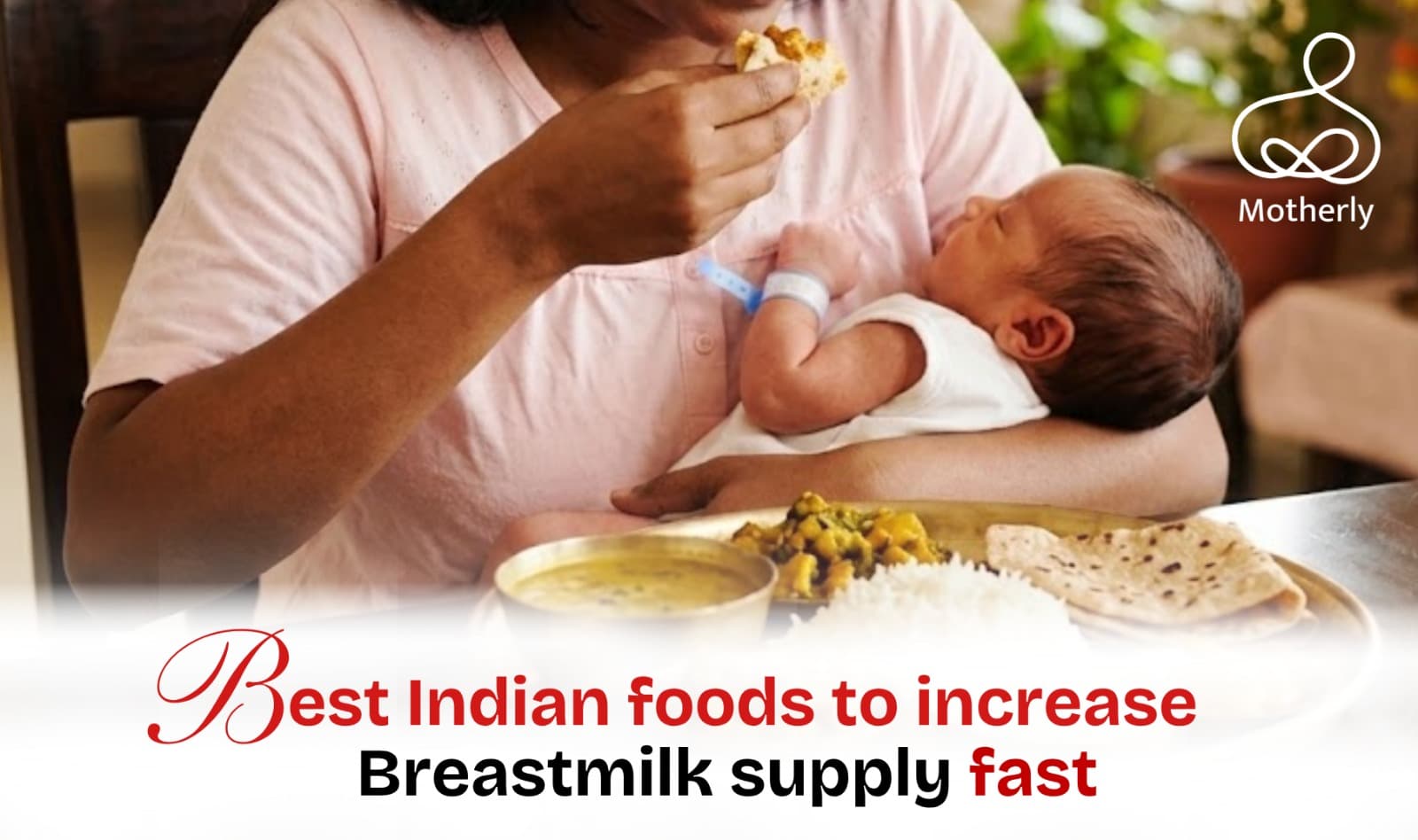
Best Indian Foods to Increase Breast Milk Supply Fast
If you're a breastfeeding mother in India, you've likely already received advice from your mother, mother-in-law, or neighbour about what to eat to increase your milk supply. Some of this traditional wisdom is grounded in real science. Some is myth. And some is brilliant but underexplained.

Best Indian Foods to Increase Breast Milk Supply Fast
✓ Motherly Fact-Checking Standards — Every piece of content at Motherly is created with care, compassion, and a commitment to accuracy. Our team ensures every article reflects the highest standards of medical integrity, clarity, and empathy. If you’re a breastfeeding mother in India, you’ve likely already received advice from your mother, mother-in-law, or neighbour about what to eat to increase your milk supply. Some of this traditional wisdom is grounded in real science. Some is myth. And some is brilliant but underexplained.This guide gives you a clear, evidence-informed breakdown of the best Indian foods that support breast milk production — with practical tips on how to include them in your daily meals.
! Motherly Tip: Diet alone may not solve low milk supply. If you’re concerned about your output, book a lactation consultation through the Motherly app before making major dietary changes.What Is a Galactagogue?
A galactagogue is a food, herb, or medication that is believed to support or increase breast milk production. Many traditional Indian foods used during the postpartum period fall into this category — and have been passed down for generations for good reason.
While scientific research on individual galactagogues is still growing, there is strong traditional and emerging evidence supporting several Indian foods. The key is consistency and adequate overall nutrition.
India’s postpartum food traditions are rich, practical, and deeply rooted in maternal health wisdom. The foods your grandmother recommended? Many of them are backed by modern nutritional science.Top Indian Foods to Boost Breast Milk Supply
Here are the most powerful, time-tested Indian galactagogues — and exactly how to use them every day.
1Methi (Fenugreek Seeds) — The Gold Standard Galactagogue
Methi is perhaps the most widely recommended lactation food in India — and for good reason. Fenugreek seeds contain phytoestrogens and compounds believed to stimulate milk-producing glands. How to use: Soak 1–2 teaspoons overnight and drink the water in the morning. Or prepare methi laddoos with whole wheat flour, ghee, and jaggery — a traditional postpartum staple. Note: Some mothers notice a maple-syrup smell in urine or their baby’s nappy — this is harmless.
2Sattu (Roasted Chickpea Flour)
Sattu is a powerhouse ingredient common in Bihar and UP. It is rich in protein, iron, and calcium — all essential for a breastfeeding mother’s recovery and milk production. How to use: Mix 2–3 tablespoons with water, a pinch of salt, roasted jeera powder, and a squeeze of lemon for a quick sattu sharbat. Or use as a stuffing for parathas.
3Dalia (Broken Wheat / Lapsi)
Dalia is a high-fibre, iron-rich grain that provides sustained energy to new mothers. It is easy to digest and warming — ideal for postpartum recovery. How to use: Cook as a savoury dalia khichdi with vegetables and a tadka of jeera and hing. For a sweet version, cook in milk with jaggery and cardamom.
4Jeera (Cumin Seeds)
Jeera has long been used in Ayurvedic postpartum care. It is rich in iron, supports digestion, and is believed to help with milk let-down. It also helps relieve gas — a bonus for both mother and baby. How to use: Boil 1 teaspoon in water and sip warm throughout the day. Use generously in tadka for all your dal and sabzi.
5Ajwain (Carom Seeds)
Ajwain is routinely given to new mothers in the weeks after delivery, especially in North Indian households. It has anti-inflammatory properties, aids uterine recovery, and supports digestion. How to use: Roast ajwain in ghee and add to parathas or rotis. Make ajwain water by boiling ½ teaspoon in 2 cups of water.
6Saunf (Fennel Seeds)
Like methi, fennel contains phytoestrogens that may help stimulate milk production. Saunf is also a gentle digestive — which means a calmer, less colicky baby. How to use: Sip saunf tea between meals, chew a small amount after meals, or add to kheer or rice pudding.
7Moringa (Drumstick Leaves / Sahjan)
Moringa is one of the most nutritionally dense plants available in India — exceptionally high in protein, calcium, iron, and Vitamin C. Several studies suggest moringa supplementation increases breast milk production in early postpartum days. How to use: Add fresh or dried moringa leaves to dal, sambar, or curry. In Tamil Nadu, drumstick (murungakkai) curry is a traditional postpartum staple — and a brilliant one.
8Til (Sesame Seeds)
Til is rich in calcium, zinc, and healthy fats — nutrients that are transferred to breast milk and support both mother and baby’s bone health. It is warming and calorie-dense, ideal for recovering mothers. How to use: Eat til laddoos made with jaggery and ghee — a classic postpartum food in many Indian states. Add til to chutney or as a garnish on sabzi.
9Garlic (Lehsun)
Garlic contains allicin and other compounds that may support immune health and milk production. Some research suggests that babies of mothers who consume garlic feed longer — likely because it flavours the milk in a way babies enjoy. How to use: Cook crushed garlic in ghee and add to any dal or sabzi. Do not eat raw in excess.
10Oats (Jaie)
Oats are rich in beta-glucan, a type of fibre that stimulates the hormone prolactin — the hormone responsible for milk production. They are also high in iron, which supports energy levels. How to use: Have warm oats porridge with milk, jaggery, and a handful of nuts for breakfast. Make oat-based laddoos with ghee and dry fruits.
Quick Reference: Best Indian Lactation Foods
An at-a-glance summary of the most powerful Indian galactagogues, their key nutrients, and the best ways to use them daily.
| Food | Key Nutrients | Best Way to Use |
|---|---|---|
| Methi (Fenugreek) | Phytoestrogens, fibre | Methi laddoos, methi rice, methi sabzi |
| Sattu (Roasted Chana) | Protein, iron, calcium | Sattu sharbat, sattu paratha |
| Dalia (Broken Wheat) | Complex carbs, iron | Dalia khichdi, sweet dalia with milk |
| Jeera (Cumin) | Iron, aids digestion | Jeera water, tadka in dal/sabzi |
| Ajwain (Carom Seeds) | Digestive, anti-inflammatory | Ajwain water, ajwain paratha |
| Saunf (Fennel Seeds) | Phytoestrogens, digestive | Saunf tea, saunf water post-meal |
| Moringa (Drumstick) | Protein, calcium, iron, Vit C | Moringa dal, drumstick curry |
| Til (Sesame Seeds) | Calcium, zinc, healthy fats | Til laddoos, til chutney |
| Garlic (Lehsun) | Allicin — lactogenic | Cooked in dal, sabzi, with ghee |
| Oats (Jaie) | Beta-glucan, iron, fibre | Oats porridge, oat-based laddoos |
| Ghee | Healthy fats, fat-soluble vitamins | On rotis, in dal-chawal, laddoos |
| Masoor & Chana Dal | Protein, folate, iron | Dal tadka, khichdi |
| Green Leafy Vegetables | Iron, calcium, folate | Palak dal, saag, methi sabzi |
| Almonds & Walnuts | Omega-3, protein, Vit E | Soaked almonds, nut laddoos |
Are You Getting Enough of These Foods Daily?
A Motherly lactation consultant can review your diet and suggest personalised adjustments to support your milk supply.
Book at Motherly →General Nutrition Tips for Breastfeeding Mothers
Stay Well Hydrated — Aim for 3 Litres Daily
Breast milk is 87% water. Drink at least 3 litres of water or fluids daily — warm jeera water, coconut water, warm soups, and plain water all count. Dehydration is one of the most common and most overlooked causes of reduced milk volume.
Eat 300–500 Extra Calories Above Your Pre-Pregnancy Intake
Your body cannot produce milk from nothing. This is not the time for restrictive dieting. Eat consistently, eat warmly, and eat enough — your caloric needs are genuinely higher while breastfeeding.
Never Skip Meals
Skipping meals depletes the nutrients your body uses for milk production. Include a protein source at every meal — dal, eggs, paneer, curd, or pulses — to maintain steady supply and energy.
Limit Caffeine, Avoid Alcohol Completely
Limit caffeine to 1–2 cups of tea or coffee per day. Avoid alcohol completely while breastfeeding — it directly suppresses prolactin and undermines every natural supply effort.
Take a Postnatal Vitamin With Iron and Calcium
If recommended by your doctor, a postnatal vitamin ensures you are not missing critical micronutrients — particularly iron, which is a documented cause of reduced milk supply when deficient.
Foods and Herbs That May Reduce Supply
While most foods are safe in moderation, these specific items are associated with reduced milk supply and are worth limiting:
Sage in large quantities — one of the most well-documented milk-reducing herbs Peppermint in large quantities — commonly used to wean; avoid strong peppermint teas Parsley in large quantities — small culinary amounts are fine; avoid concentrated doses Alcohol — directly suppresses prolactin; avoid completely while breastfeeding Excessive caffeine (more than 2 cups daily) — dehydrates and reduces milk quality over time Very spicy food or cruciferous vegetables in excess — may cause colic or gassiness in some babies; observe and adjustWhen to Get Expert Lactation Support
Diet is a powerful lever — but it is not the only lever. If supply does not improve within two weeks of consistently applying these food and hydration strategies, do not wait. A certified lactation consultant can identify the root cause quickly and create a personalised plan tailored to your body and your baby.
Lactation Consultants
Personalised diet and feeding plans, latch assessment, pumping guidance, and relactation support.
Doulas
Emotional and physical postpartum support to reduce cortisol and aid recovery.
Postnatal Nannies
Trusted in-home newborn care so you can rest, eat, and feed more effectively.
Gynaecologists
Postnatal health assessments and hormonal support for breastfeeding mothers.
Expert Lactation Support — Motherly Is Ready
Certified lactation consultants, doulas, postnatal nannies, and gynaecologists — all in one app, available across Chennai.
Book on Motherly → Get it onGoogle Play Download on theApp Store Free to download · Android & iOS · Book in under 2 minutes · mothrly.comA Final Word from Motherly
India’s postpartum food traditions exist for a reason. The foods your grandmother recommended — methi laddoos, dal khichdi with ghee, soaked almonds, ajwain water — are not superstition. They are generations of maternal wisdom, now increasingly supported by nutritional science.
The key is consistency. Eat these foods regularly as part of a balanced diet, stay well-hydrated, and feed your baby frequently. If your supply still feels low, don’t wait. A lactation consultant can identify the root cause and help you get back on track quickly.
Motherly was founded in Chennai by Santosh Kumar with a simple belief: that every mother in India deserves access to expert, affordable, and compassionate maternal care.FAQs — Indian Foods for Breast Milk Supply
How quickly will I see a change in milk supply after eating these foods? +Some mothers notice a difference within 24–48 hours of consistently eating galactagogue foods. Others take 1–2 weeks. Results depend on the underlying reason for low supply. If supply does not improve within 2 weeks, please consult a lactation specialist through the Motherly app.
Are there any foods to avoid while breastfeeding? +Most foods are safe in moderation. However, some mothers find that very spicy food, cruciferous vegetables (cabbage, cauliflower), or certain herbs in large quantities can cause colic or gassiness in their baby. If you notice a pattern, reduce that food temporarily and observe. Sage, peppermint, and parsley in very large amounts are sometimes associated with reduced supply.
Can I eat methi every day? +Yes, in culinary amounts — like methi sabzi, methi paratha, or methi dal. Very large amounts of fenugreek supplement (capsule form) should only be taken on a lactation consultant’s recommendation, as excessive amounts can cause blood sugar drops in diabetic mothers.
My mother-in-law says I should eat panjiri and panjeri laddoos. Should I? +Yes! Traditional postpartum preparations like panjiri (wheat flour, ghee, dry fruits, edible gum, and sugar) are nutritionally excellent for breastfeeding mothers. They are energy-dense, warming, and contain several natural galactagogues. The traditional wisdom here is sound.
Is there any food that actually reduces milk supply? +Sage, peppermint, and parsley in very large amounts are sometimes cited as milk-reducing herbs. Occasional small amounts in cooking are fine. Also: smoking and excessive alcohol both reduce milk supply significantly and should be avoided completely while breastfeeding.
How does Motherly support breastfeeding mothers in Chennai? +Motherly connects you with certified lactation consultants who assess your latch, review your diet, identify root causes of low supply, and create a personalised natural supply plan. All Motherly professionals are verified, trained, and compassionate. Book directly through the Motherly app — available free on Android and iOS — or visit mothrly.com.
Lactation Support Breastfeeding Breast Milk Supply New Mother Care Postpartum Recovery Galactagogues Indian Foods MMotherly Editorial Team
Written by Chennai’s trusted maternal care platform. Motherly connects new mothers with certified lactation consultants, doulas, postnatal nannies, and gynaecologists. Visit mothrly.com to book expert support near you.
Stay Updated with Motherly
[forminator_form id="827"]Keep Reading

Does Feeding Every 2 Hours Increase Milk Supply?
You're exhausted. You've been feeding your baby what feels like every hour. Your mother-in-law says feed more...

Does Jeera Water Really Increase Breast Milk?
The moment you have a baby in India, the advice starts flowing in. Your mother brings methi...

Does Postpartum Belly Go Away? A Realistic Recovery Guide for New Moms
You've just had a baby. You look down and think: why do I still look pregnant? You've...
Useful Resources & Guides
Keep Reading

DOULA
The Fourth Trimester: A Complete Guide to Postnatal Recovery Care in Chennai
Explore complete postnatal recovery care packages in Chennai, from doulas to physiotherapy and nutrition. See what is i…
July 10, 2026

DOULA
Newborn Care Made Easier: What a Baby Care Specialist Does in Chennai
Need help with newborn care in Chennai? See how baby care specialists support feeding, bathing, and safety in the first…
July 10, 2026