What to Eat to Increase Breast Milk: Complete Food Guide
motherly·March 23, 2026
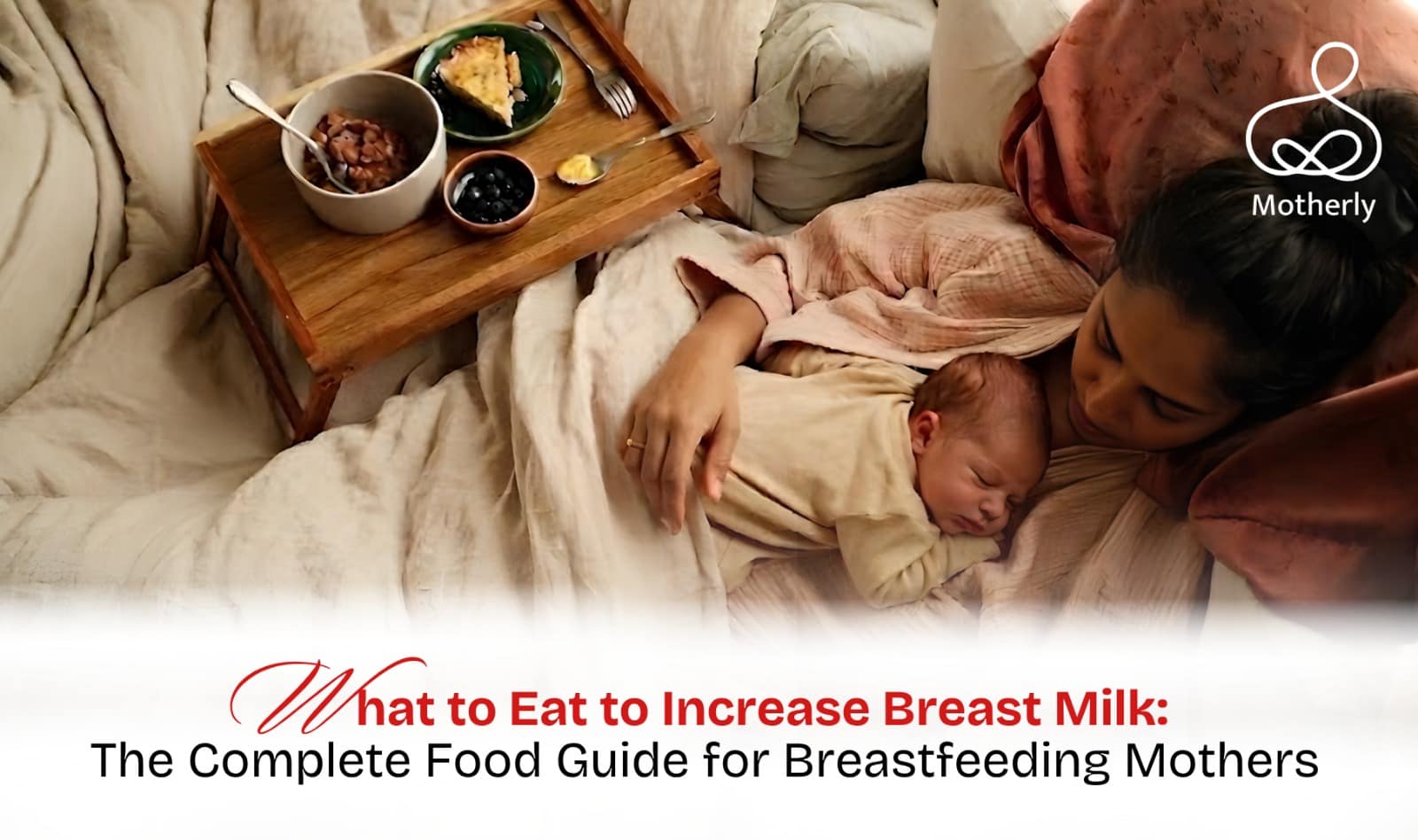
What to Eat to Increase Breast Milk:The Complete Food Guide for Breastfeeding Mothers
If you have ever searched for what to eat to increase breast milk, you have found the most complete guide to what to eat to increase breast milk — you are in exactly the right place. Diet — and knowing what to eat to increase breast milk specifically — is one of the most powerful and most underutilised tools for supporting milk production — and for most mothers, improving your what to eat to increase breast milk choices and improving what to eat to increase breast milk choices is one of the fastest, most natural ways to see a meaningful

Motherly Fact-Checking Standards
Every piece of content at Motherly is created with care, compassion, and a commitment to accuracy. Our team ensures that every article, guide, and insight reflects the highest standards of medical integrity, clarity, and empathy. To learn how we maintain trustworthy, evidence-based information that supports your parenting journey, explore our content review principles.
What to Eat to Increase Breast Milk: The Complete Food Guide
You are sitting down to lunch — and for the first time since your baby arrived, you pause and wonder: is this meal helping my milk? Could I be eating better? Is there something specific I should be eating that I am missing?
Diet is one of the most powerful and most underutilised tools for supporting milk production. For most mothers, improving what you eat is one of the fastest, most natural ways to see a meaningful change in supply.
This guide is written specifically for Indian mothers, grounded in both nutritional science and time-tested tradition. You will find 15 detailed food profiles, a ready-to-use daily meal plan, a quick reference table, and clear guidance on what to avoid.
Why What You Eat Directly Affects Milk Production
Breast milk is a living fluid — rich in protein, fat, carbohydrates, vitamins, minerals, and immune factors — and your body draws on your diet to produce all of it. When you eat the right foods, your milk is not just more abundant: it is more nutritious.
Food addresses two distinct needs: volume and quality. Volume is primarily driven by feed frequency, hydration, and galactagogue foods that stimulate prolactin. Quality — the nutritional richness of your milk — is directly shaped by your diet.
For most Indian mothers, the best lactation foods are already part of everyday cooking. Dal, ragi, methi, garlic, sesame seeds, moringa — these are not exotic ingredients. They are your kitchen. It is simply a matter of prioritising them.
What to eat to increase breast milk is not about eating more. It is about eating intentionally — choosing the foods your body uses to build your baby’s first nourishment.
Key Nutrients for Milk Production
These nutrients are most essential for milk production. When they are present in adequate amounts, your body has everything it needs to produce milk in both volume and quality.
- Iron — Low iron is one of the most common causes of reduced supply. Best sources: masoor dal, methi leaves, spinach, moringa, jaggery, sesame seeds, and dates.
- Protein — The building block of breast milk. Include at least two complete protein sources daily: dal, paneer, eggs, chicken, fish, or curd.
- Calcium — Critical for milk quality and for protecting your own bones during lactation. Best sources: ragi, til (sesame), warm milk, curd, paneer, moringa, and small fish with edible bones.
- Omega-3 DHA — Essential for your baby’s brain and eye development through breast milk. Best sources: walnuts, flaxseeds, chia seeds, and oily fish like mackerel and sardines.
- Folate (Vitamin B9) — Supports milk quality and postpartum recovery. Best sources: dark leafy greens, lentils, eggs, and fortified grains.
- Vitamin D — Deficiency is extremely common in Indian mothers and directly affects milk vitamin D levels. Best sources: fortified milk, eggs, and a supplement.
- Iodine — Critical for your baby’s thyroid and brain development through milk. Best sources: iodised salt in all cooking, dairy products, and eggs.
15 Best Foods to Increase Breast Milk
Every food below has genuine scientific evidence, traditional backing, or strong nutritional logic behind its role in supporting milk production.
1
Oats and Dalia (Broken Wheat)
Rich in iron — one of the most common, correctable causes of reduced supply. Oats also contain beta-glucan, a fibre linked to elevated prolactin levels. Easy to prepare, easy to digest, and deeply nourishing for an exhausted new mother.
How to eat: Oat porridge with banana, flaxseeds, and honey every morning. Dalia with vegetables as a savoury option. Oat-based laddoos as snacks.
Iron · Beta-glucan · Complex carbohydrates · Vitamin B1 · Magnesium2
Methi (Fenugreek) Seeds — The Gold Standard Galactagogue
The most widely studied galactagogue food in the world. Fenugreek seeds contain phytoestrogens and diosgenin — compounds that stimulate prolactin production. Many mothers notice a difference within 24–72 hours. Avoid if you have thyroid issues, diabetes, or are on blood thinners.
How to eat: Soak 1 tsp overnight and eat the seeds with water in the morning. Add ground methi to paratha dough, dal, or sabzi. Make methi laddoos with jaggery and ghee.
Phytoestrogens · Diosgenin · Iron · Fibre · Vitamin C3
Moringa (Drumstick) Leaves — Clinically Proven
Clinical studies have demonstrated that moringa significantly increases breast milk production — particularly in the first days postpartum. Exceptionally rich in iron, calcium, Vitamin C, and amino acids. The Vitamin C in moringa also enhances iron absorption from every meal it accompanies.
How to eat: Add fresh drumstick leaves to dal, sambar, or curry. Use dried moringa leaf powder in soups or porridge. Include drumstick pods in sambar.
Iron · Calcium · Vitamin C · Amino acids · Beta-carotene · Folate4
Garlic — The Ancient Galactagogue
Used across cultures for thousands of years. Research suggests garlic stimulates prolactin secretion and improves the let-down reflex. Studies have even found that babies nurse longer and more enthusiastically when their mothers have eaten garlic.
How to eat: Use 2–3 cloves of fresh garlic in tadka for dal, sabzi, or soups every day. Garlic-infused ghee on chapattis is a classic Indian postpartum preparation.
Allicin · Phytoestrogens · Selenium · Vitamin C · Iron5
Almonds, Walnuts and Mixed Nuts
Almonds are rich in calcium, Vitamin E, protein, and healthy fats — all supporting milk volume and quality. Walnuts are the richest plant source of Omega-3 ALA, which converts to DHA for your baby’s brain development. A handful of soaked nuts daily is a classic, practical lactation food.
How to eat: Soak 8–10 almonds and 2–3 walnuts overnight and eat in the morning. Add to porridge, kheer, or smoothies. Almond-jaggery laddoos as a postpartum snack.
Calcium · Omega-3 ALA · Vitamin E · Protein · Zinc · Magnesium6
Dal — Masoor, Moong, Toor, Chana
Dal is the heart of the Indian lactation diet. It delivers complete plant protein (especially combined with rice or roti), high iron, folate, zinc, and complex carbohydrates — the building blocks your body needs for consistent milk production. A bowl of warm dal is a direct supply-supporting meal.
How to eat: Two servings of dal daily — lunch and dinner. Add moringa leaves and a garlic-jeera tadka to maximise the galactagogue impact. Dal khichdi with ghee is one of the most complete, easily digestible lactation meals.
Protein · Iron · Folate · Zinc · Complex carbohydrates · Fibre7
Ragi (Finger Millet) — The Calcium Champion
Ragi is the richest plant source of calcium available in Indian cooking — with more calcium per gram than milk. Calcium is essential not just for milk quality, but to prevent maternal bone depletion during lactation. Ragi also provides iron, amino acids, and fibre.
How to eat: Ragi porridge with jaggery and coconut milk for breakfast. Ragi rotis with ghee for lunch. Ragi laddoos with sesame and jaggery as snacks. Include ragi at least once daily.
Calcium · Iron · Amino acids · Fibre · Phosphorus · B vitamins8
Sesame Seeds (Til) — Calcium in Every Bite
Just two tablespoons of sesame seeds contain more calcium than a glass of milk — making them extraordinary support for lactation. Also rich in iron, zinc, and healthy fats. Til has been used in Indian postpartum care — in til laddoos and til chutney — for exactly this reason.
How to eat: Make til laddoos with jaggery. Add sesame seeds to roti dough. Use til chutney as a condiment. Sprinkle toasted sesame on dal or sabzi. Just 2 tbsp daily is highly effective.
Calcium · Iron · Zinc · Copper · Healthy fats · Protein9
Jeera (Cumin) and Ajwain (Carom Seeds)
Jeera contains iron, stimulates prolactin, improves digestion, and reduces gas. Ajwain eases postpartum digestive discomfort, reduces bloating, and supports milk secretion. Used in tadka, rice, or as flavoured water, these seeds are a daily, effortless lactation food.
How to eat: Use jeera in tadka for every dal and sabzi. Make jeera rice. Drink jeera water throughout the day. Add ajwain to paratha dough and kadhas.
Iron · Essential oils · Galactagogue phytochemicals · Magnesium10
Green Leafy Vegetables — Spinach, Methi Leaves, Palak
Dark green leafy vegetables deliver iron, folate, Vitamin K, calcium, and beta-carotene. Iron deficiency is one of the most common causes of reduced milk supply — and dark leafy greens are one of the best ways to correct it through food.
How to eat: Palak paneer, methi sabzi, palak dal — include at least one serving of dark leafy greens at every main meal. Saag with garlic and jeera tadka is one of the most galactagogue-dense meals in Indian cooking.
Iron · Folate · Vitamin K · Vitamin A · Calcium · Fibre11
Sweet Potato and Carrots — Vitamin A and Energy
Sweet potato is rich in beta-carotene (Vitamin A) — which your baby receives through your milk and needs for vision, immune function, and skin health. It also provides Vitamin B6, potassium, and complex carbohydrates for sustained energy through long feeding sessions.
How to eat: Boiled sweet potato as a morning snack. Add to soups and curries. Sweet potato paratha at lunch. Carrots in salads or added to dal and sabzis daily.
Beta-carotene · Vitamin B6 · Potassium · Complex carbohydrates · Fibre12
Eggs — The Most Complete Single Food
Eggs provide complete protein, choline (critical for baby’s brain development), Vitamin D, Vitamin B12, and healthy fats — all in one food. Choline is particularly important in breast milk, and egg yolks are the richest dietary source. Two eggs a day is a straightforward, evidence-based choice.
How to eat: Scrambled eggs with spinach at breakfast. Boiled eggs as a snack. Egg curry at lunch or dinner. Egg bhurji with methi and onion.
Complete protein · Choline · Vitamin D · Vitamin B12 · Iron · Healthy fats13
Fish — Sardines, Mackerel, Rohu, Catla
For non-vegetarian mothers, low-mercury fish are rich in Omega-3 DHA — the fatty acid that directly supports your baby’s brain and eye development through breast milk. Sardines with edible bones also deliver significant calcium. Fish 2–3 times per week is a powerful lactation choice.
How to eat: Grilled or stewed fish curry at lunch or dinner. Sardines in tomato-onion masala. Fish sambar. Always choose low-mercury options.
Omega-3 DHA · Protein · Vitamin D · Vitamin B12 · Iodine · Calcium (sardines)14
Dates (Khajoor) — Iron and Natural Energy
Dates are beloved in traditional Indian and Middle Eastern postpartum care. Rich in iron, potassium, natural sugars, and fibre — they provide immediate energy during the exhausting first weeks, support haemoglobin levels, and are believed to support milk production.
How to eat: 4–6 dates daily as a mid-morning or afternoon snack. Add to smoothies, porridge, or warm milk. Date-almond laddoos with ghee and cardamom are a classic postpartum preparation.
Iron · Potassium · Natural sugars · Fibre · Magnesium · Copper15
Jaggery (Gud) — Iron in Every Spoonful
Unlike refined sugar, jaggery retains iron, magnesium, potassium, and trace minerals from the sugarcane. It is used in postpartum laddoos, kadhas, porridge, and traditional drinks across India. Replacing sugar with jaggery in every preparation is one of the simplest dietary changes you can make.
How to eat: Add jaggery to porridge, ragi dishes, and warm milk instead of sugar. Use in til-methi laddoos. Mix with ghee on roti. 1–2 teaspoons daily.
Iron · Magnesium · Potassium · Calcium · PhosphorusQuick Reference — All 15 Foods at a Glance
| Food | Why It Helps | Best Time to Eat | How Much |
|---|---|---|---|
| Oats / Dalia | Iron, beta-glucan — stimulates prolactin | Breakfast | 1 bowl daily |
| Methi Seeds | Phytoestrogens — most researched galactagogue | Morning, empty stomach | 1 tsp soaked |
| Moringa Leaves | Iron, calcium, amino acids — clinically proven | Any meal in dal or sabzi | Daily in cooking |
| Garlic | Stimulates prolactin, improves let-down | Lunch / dinner tadka | 2–3 cloves daily |
| Almonds & Walnuts | Calcium, Omega-3, Vitamin E — milk quality | Morning snack | 8–10 soaked almonds |
| Masoor / Moong Dal | Iron, protein, folate — milk volume | Lunch and dinner | 2 cups cooked daily |
| Ragi (Finger Millet) | Highest plant calcium — milk quality | Breakfast or as roti | 1–2 rotis or 1 bowl |
| Sesame Seeds (Til) | Calcium, iron, zinc — milk production | Laddoos, chutney, rotis | 1–2 tbsp daily |
| Jeera (Cumin) | Iron, galactagogue — traditional milk booster | Daily in tadka or water | Daily in cooking |
| Green Leafy Veg | Iron, folate, Vitamin K — milk nutrition | Lunch or dinner sabzi | 1–2 cups daily |
| Sweet Potato | Beta-carotene, B6, potassium | Any meal as a side | 1 medium daily |
| Eggs | Complete protein, choline, Vitamin D, B12 | Breakfast or any meal | 2 eggs daily |
| Chicken / Fish | Heme protein and DHA for milk quality | Lunch or dinner | Palm-sized portion |
| Dates (Khajoor) | Iron, natural energy, potassium | Mid-morning snack | 4–6 dates daily |
| Jaggery (Gud) | Iron — replace sugar with jaggery | Tea, laddoos, porridge | 1–2 tsp daily |
A Full Day Indian Meal Plan
Here is a complete Indian meal plan that puts every lactation food into a practical, delicious, culturally familiar daily routine:
| Time | Meal | Key Lactation Benefit |
|---|---|---|
| 6:30 AM | Warm water with lemon + 4–6 soaked almonds + 2 walnuts + 3 dates | Iron, Omega-3, natural energy |
| 8:30 AM | Ragi porridge with jaggery and coconut milk OR oats with banana, flaxseeds and honey + 1 glass warm milk | Calcium, iron, beta-glucan, prolactin stimulation |
| 11:00 AM | Soaked methi seeds water + 1 seasonal fruit + small bowl curd | Galactagogue, Vitamin C, calcium, probiotics |
| 1:30 PM | 2–3 chapattis or brown rice + masoor dal + palak sabzi with garlic tadka + moringa in dal + curd + sesame salad | Iron, protein, calcium, folate, galactagogues |
| 4:00 PM | Til laddoo OR roasted makhana + 4–5 dates + 1 cup jeera water | Calcium, iron, galactagogue, natural energy |
| 6:30 PM | Moringa-lentil soup OR ajwain rasam + 1 ragi roti with ghee | Iron, calcium, protein, galactagogue, digestion |
| 9:00 PM | Brown rice + toor dal with drumstick + garlic-spinach sabzi + small bowl curd | Complete protein, iron, calcium, Vitamin K, folate |
| 10:30 PM | Warm shatavari-almond milk with saffron and cardamom | Prolactin support, calcium, Vitamin E, recovery |
What NOT to Eat When Breastfeeding
Knowing which foods can reduce supply, affect milk quality, or pose risks to your baby is just as important as knowing the right ones.
Peppermint and sage in large quantities — both contain compounds believed to reduce milk supply. Avoid peppermint tea and large quantities of sage in cooking while breastfeeding.
Alcohol — avoid entirely — alcohol suppresses prolactin, passes directly into breast milk, and reduces both supply and quality.
Excess caffeine — limit to 1–2 cups daily — more than 200–300 mg can dehydrate the body, reduce milk quality, and affect your baby’s sleep.
Heavily processed and junk foods — chips, packaged snacks, and instant noodles displace the nutritious foods your body needs for milk production, adding empty calories without protein, iron, or calcium.
Extreme spices in large quantities — moderate spice is fine, but very large amounts of chilli can occasionally cause discomfort in sensitive babies. Watch your baby’s response.
Parsley in large quantities — like sage and peppermint, large amounts of parsley are associated with reduced supply. Use sparingly as a garnish, not as a primary cooking herb.
Practical Tips for Daily Practice
✦
Eat within 30 minutes of wakingYour body needs fuel to produce milk through the morning feeding sessions. The most practical tip for mothers who skip breakfast.
✦
Never skip mealsYour body cannot produce milk from nothing. Eating consistently is as important as choosing the right foods.
✦
Cook in iron vesselsIron leaches into food during cooking, especially in acidic tomato-based dals and curries. One of the simplest traditional ways to boost dietary iron.
✦
Always pair iron-rich foods with Vitamin CLemon on dal, amla juice with meals, or tomatoes in sabzi. Vitamin C triples iron absorption.
✦
Eat fresh, warm foodTraditional postpartum wisdom recommends warm, freshly cooked meals. Warm food is easier to digest and more effectively nourishing.
✦
Prepare galactagogue snacks in advanceTil laddoos, methi laddoos, date-almond balls, ragi cookies. Batch-preparing these means you always have a lactation snack within reach.
✦
Eat ghee dailyA small amount of ghee on roti or in dal adds healthy fats, supports nutrient absorption, and is a deeply traditional part of Indian postpartum nutrition.
When Food Alone Is Not Enough — Expert Support
Knowing what to eat gives you a powerful foundation. But breastfeeding challenges are often more complex than diet alone — they involve latch, feeding frequency, hormonal factors, and infant behaviour. When you have applied everything you know about nutrition and supply is still not where you need it, a certified lactation consultant can assess the full picture and create a personalised plan.
Lactation Consultants
Personalised nutrition guidance, latch assessment, supply planning, and galactagogue recommendations.
Doulas
Emotional and physical postpartum support — reduces stress that suppresses milk.
Postnatal Nannies
In-home newborn care so you can rest, eat properly, and feed more effectively.
Gynaecologists
Postnatal health assessments, iron levels check, and hormonal support for breastfeeding.
Book Your Lactation Consultant Today — Motherly Is Ready
Certified lactation consultants, doulas, postnatal nannies, and gynaecologists — all in one app, available across Chennai.
Book on Motherly → Free to download · Android & iOS · Book in under 2 minutes · mothrly.comEvery Meal Is an Act of Love
The foods that nourish your baby most are the foods that have nourished Indian families for generations. Dal, ragi, methi, moringa, sesame, garlic, jaggery — your kitchen has always had the answer.
Eat consistently. Eat warmly. Eat with intention. Some days it will be a full spread of everything on this list. Other days it will be a bowl of dal khichdi and a handful of dates. Both are enough. Both are love.
What to eat to increase breast milk? Your kitchen already knows. Your body already knows. You just needed someone to remind you.
FAQs — What to Eat to Increase Breast Milk
What is the single best food to eat to increase breast milk?
+
The most consistently recommended single food is methi (fenugreek) seeds — the most widely researched galactagogue food in the world. Soak 1 tsp overnight and eat with water in the morning. For immediate nutritional impact, moringa leaves added daily to dal or soup is the most evidence-backed choice for overall milk volume and quality. Combine both for maximum effect.
Does eating oats really help to increase breast milk?
+
Yes — oats are consistently recommended by lactation experts. They are rich in iron (low iron being a common cause of reduced supply) and contain beta-glucan, a fibre linked to elevated prolactin levels. A daily bowl of oat porridge with banana, flaxseeds, and honey is a simple, evidence-based breakfast for breastfeeding mothers.
What Indian foods should I eat daily to increase breast milk?
+
The most important daily lactation foods for Indian mothers are: methi seeds (soaked and eaten in the morning), moringa leaves (in dal or sabzi at every meal), garlic (in daily tadka), jeera and ajwain (in cooking and as flavoured water), ragi (in porridge, roti, or laddoos), til (sesame seeds in laddoos or chutney), masoor or moong dal (twice daily), dates (as a snack), and jaggery instead of sugar.
How quickly will I see results from changing what I eat?
+
Most mothers notice an improvement within 3–7 days of consistently applying these food changes. Fenugreek and moringa can show results in 24–72 hours. Iron-rich foods take 1–2 weeks to meaningfully affect iron levels and supply. Hydration changes show results fastest — within 24 hours. If supply has not improved after one week of consistent effort, book a Motherly lactation consultant for a personalised assessment.
Should I eat more calories while breastfeeding?
+
Yes — breastfeeding requires approximately 300–500 extra calories daily above your pre-pregnancy intake. Focus on nutrient-dense foods rather than calorie counting. Skipping meals or eating too little is one of the most common causes of reduced supply. Do not restrict calories while breastfeeding.
Is it safe to eat fenugreek (methi) seeds to increase breast milk?
+
For most breastfeeding mothers, fenugreek is safe and effective. However, if you have thyroid issues, diabetes, or are on blood thinners, consult your doctor before using it regularly. Some babies become gassy when their mothers eat fenugreek — monitor your baby’s response. Limit to 1 tsp of seeds daily.
Can my diet affect the nutritional quality of breast milk?
+
Yes — your diet directly influences the vitamin, fatty acid, and trace mineral content of your breast milk. Omega-3 DHA from walnuts, flaxseeds, and fish improves your baby’s brain development through milk. Vitamin D from eggs and fortified dairy reaches your baby through milk. Iron from dal and moringa supports your supply. It is not just about volume — it is about giving your baby the richest possible milk.
How does Motherly support mothers with breastfeeding nutrition?
+
Motherly connects breastfeeding mothers with certified lactation consultants who provide personalised guidance on feeding frequency, latch assessment, supply planning, and galactagogue food recommendations. If diet changes alone have not resolved your supply concerns, a Motherly lactation consultant can identify underlying issues and create a complete plan. Book directly through the Motherly app — free on Android and iOS — or visit mothrly.com.
Stay Updated with Motherly
Keep Reading

Is It Safe to Travel by Two-Wheeler During Pregnancy?
For millions of Indian women, the two-wheeler isn't a luxury it's a necessity. It's how you get...

Is Folic Acid Enough in First Trimester or Do You Need More?
If there's one pregnancy supplement every Indian woman has heard of, it's folic acid. Doctors prescribe it,...

Why Do I Feel So Cold During Early Pregnancy?
You're wrapped in a shawl in the middle of summer. Your hands are icy when everyone around...
Useful Resources & Guides
Keep Reading

LACTATION
Is It Safe to Travel by Two-Wheeler During Pregnancy?
For millions of Indian women, the two-wheeler isn’t a luxury it’s a necessity. It’s how you get to work, to the clinic,
May 4, 2026

LACTATION
Is Folic Acid Enough in First Trimester or Do You Need More?
If there’s one pregnancy supplement every Indian woman has heard of, it’s folic acid. Doctors prescribe it, pharmacists
May 4, 2026