The 3-3-3 Rule for Breast Milk: Everything to Know
motherly·April 29, 2026
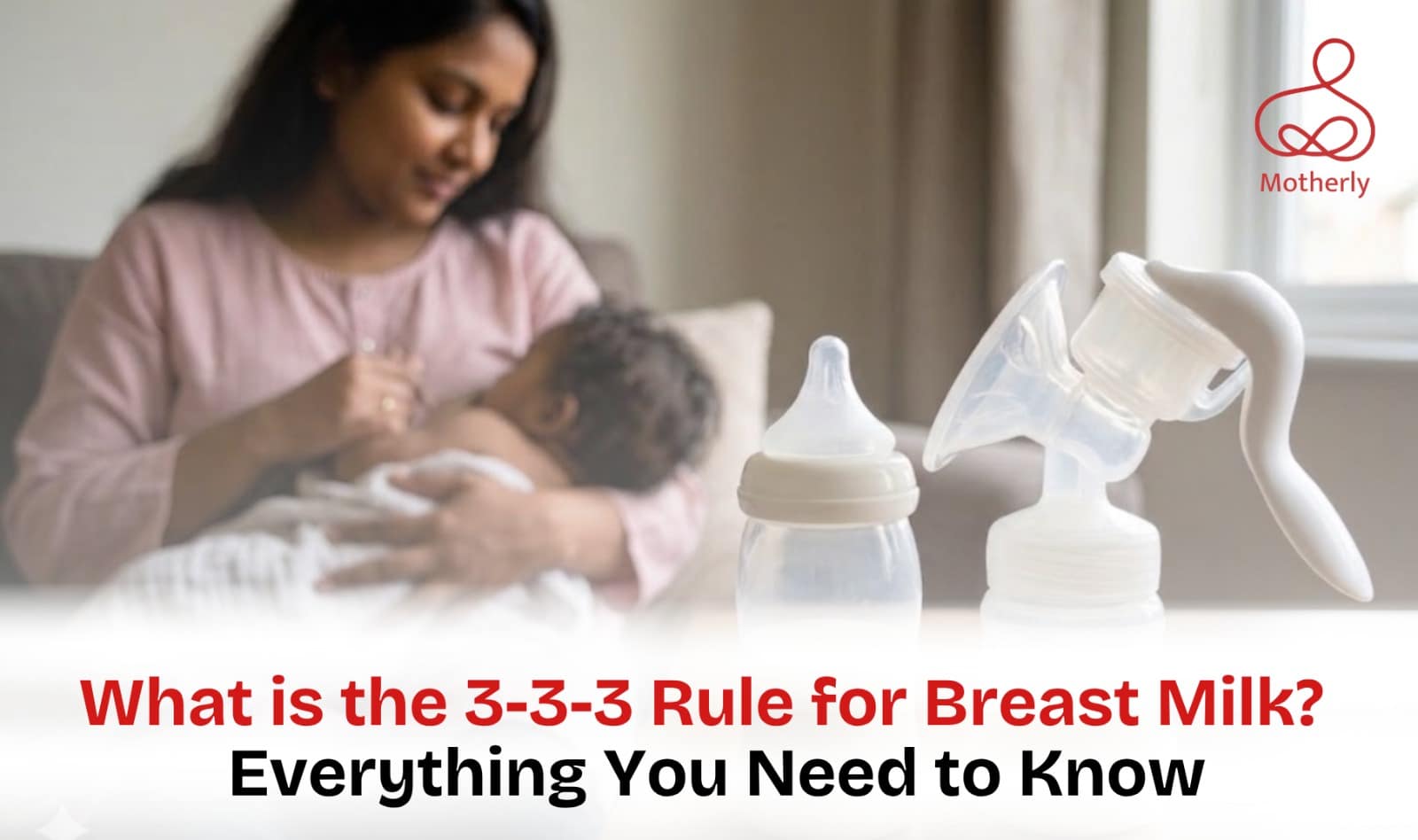
What is the 3-3-3 Rule for Breast Milk? Everything You Need to Know
If you are a breastfeeding mother or planning to pump and store breast milk, you may have heard about the 3-3-3 rule for breast milk. But what exactly does this rule mean, and is it scientifically accurate? In this comprehensive guide, Motherly breaks down everything you need to know about breast milk storage especially as a working mom in India navigating the challenges of heat and busy schedules.

What is the 3-3-3 Rule for Breast Milk? Everything You Need to Know
✓
Motherly Fact-Checking Standards — Every piece of content at Motherly is created with care, compassion, and a commitment to accuracy. Our team ensures every article reflects the highest standards of medical integrity, clarity, and empathy.
If you are a breastfeeding mother or planning to pump and store breast milk, you may have heard about the 3-3-3 rule for breast milk. But what exactly does this rule mean, and is it scientifically accurate? In this comprehensive guide, Motherly breaks down everything you need to know about breast milk storage — especially as a working mom in India navigating the challenges of heat and busy schedules.
What Does the 3-3-3 Rule for Breast Milk Mean?
The 3-3-3 rule for breast milk is a simple guideline some lactation educators use to help mothers remember safe storage durations. The idea is to give nursing mothers an easy-to-remember format so they do not accidentally use milk that has spoiled or lost its nutritional quality.
3
Hours at Room Temperature
Expressed breast milk can be kept at room temperature of around 25°C for up to 3 hours under this guideline. This is the most conservative window, designed to keep mothers well within a safe margin.
3
Days in the Refrigerator
At 4°C or below, stored breast milk remains safe for up to 3 days under this rule. Refrigeration slows bacterial growth significantly while preserving the milk’s nutritional and antibacterial properties.
3
Months in the Freezer
Frozen breast milk stored at −18°C or below is safe for 3 months under this guideline. Freezing halts bacterial growth entirely and preserves most of the milk’s nutritional content.
Breast Milk Storage Guidelines Explained
While the 3-3-3 rule for breast milk storage provides a helpful starting point, global health bodies like the WHO and CDC offer slightly more detailed guidance. The 3-3-3 rule is conservative, which makes it a safe choice for mothers who prefer to err on the side of caution — however, it does mean you may be discarding milk that is still perfectly good to use.
| Storage Location | 3-3-3 Rule | WHO / CDC Guidance |
|---|---|---|
| Room Temperature (25°C) | 3 hours | Up to 4 hours |
| Refrigerator (4°C or below) | 3 days | Up to 4 days |
| Freezer (−18°C or below) | 3 months | 6 months ideal; up to 12 months acceptable |
Is the 3-3-3 Rule for Breast Milk Scientifically Accurate?
The rule is broadly accurate but slightly conservative. Scientific studies show that breast milk’s own antibacterial properties help it remain safe for slightly longer periods than the 3-3-3 rule suggests.
- Room temperature: Breast milk stored at room temperature begins to show bacterial growth after 4–6 hours in controlled conditions — giving you slightly more margin than the 3-hour rule suggests.
- Refrigerated milk: Retains its nutritional and antibacterial properties well for up to 4 days, one day beyond the 3-3-3 guideline.
- Frozen breast milk: Can be stored safely for 3–6 months with minimal nutrient degradation. Up to 12 months is acceptable with a deep freezer.
The 3-3-3 rule is a safe, practical guideline — but knowing the actual science helps you make confident decisions as a mother rather than anxious ones.
Safe Breast Milk Storage Tips for Indian Weather
India’s hot and humid climate adds an extra layer of challenge when storing breast milk. Here is what you need to know if you are breastfeeding in cities like Chennai, Mumbai, or Delhi.
Shorten Room Temperature Time in Summer
Room temperature in India can easily exceed 30–35°C in summer. In such conditions, expressed breast milk should not be kept at room temperature for more than 1–2 hours. Refrigerate as soon as possible.
Use Sterile, BPA-Free Containers
Always store breast milk in sterile, food-grade containers or BPA-free breast milk storage bags. Avoid regular plastic bags or containers not designed for food storage.
Label Every Container
Label each container with the date and time of expression. Always use the oldest milk first to ensure nothing is wasted or accidentally used past its safe window.
Store at the Back of the Fridge
Place milk towards the back of the refrigerator, not in the door, where temperature fluctuates with every opening. The back of the fridge maintains the most consistent temperature.
Use a Cooler Bag When Transporting
Use a cooler bag with ice packs when transporting expressed milk from office or clinic to home. Never leave expressed milk in a hot car or in direct sunlight even for a short time.
Need Help Building Your Pumping & Storage Routine?
A Motherly lactation consultant can create a personalised pumping schedule tailored to your work hours and your baby’s needs.
Book at Motherly →Common Breast Milk Storage Mistakes Moms Make
Even well-intentioned mothers can make storage errors. Watch out for these:
Not labelling containers — leads to confusion about freshness and results in perfectly good milk being discarded or spoiled milk being used
Topping up cold milk with warm fresh milk — always cool newly expressed milk in the fridge first before combining with already-refrigerated milk
Using a microwave to warm stored milk — destroys heat-sensitive antibodies and creates dangerous hot spots that can burn your baby’s mouth
Refreezing thawed breast milk — once thawed, breast milk must be used within 24 hours and must never be refrozen
Storing milk in the freezer door — temperature in the door is less stable; always store in the main body of the freezer
Leaving milk in a hot car or direct sunlight — even brief exposure to high heat can spoil expressed milk quickly
When to Consult a Lactation Expert
If you are struggling with milk storage, supply issues, or breastfeeding in general, you do not have to figure it out alone. A certified Lactation Consultant can give you personalised guidance tailored to your schedule, lifestyle, and baby’s needs.
Lactation Consultants
Personalised pumping schedules, storage plans, latch assessment, and supply guidance for working mothers.
Doulas
Emotional and physical postpartum support to help you establish a sustainable breastfeeding and pumping routine.
Postnatal Nannies
Trusted in-home newborn care so you have the time and headspace to pump, store, and feed with confidence.
Gynaecologists
Postnatal health check-ups and hormonal guidance for mothers experiencing supply or breastfeeding challenges.
Expert Breastfeeding Support — Motherly Is Here
Certified lactation consultants, doulas, postnatal nannies, and gynaecologists — all in one app, available across Chennai.
Book on Motherly → Free to download · Android & iOS · Book in under 2 minutes · mothrly.comFrequently Asked Questions
Can I use breast milk that has been at room temperature for 4 hours?
+
Yes, according to CDC guidelines, breast milk is safe at room temperature (up to 25°C) for up to 4 hours. However, in India’s warmer climate, try to refrigerate within 2 hours to be safe. If your room temperature regularly exceeds 30°C, treat 1–2 hours as your maximum window.
What does the 3-3-3 rule for breast milk mean exactly?
+
It is a memory aid: 3 hours at room temperature, 3 days in the fridge, and 3 months in the freezer. It is a safe but conservative guideline compared to what most global health experts recommend. Knowing both lets you make informed decisions rather than anxious ones.
Can I mix breast milk from different pumping sessions?
+
Yes, but make sure both batches are at the same temperature before combining. Cool freshly expressed milk in the fridge first, then mix it with already-refrigerated milk. Never add warm fresh milk directly to cold stored milk as this raises the temperature of the stored batch.
How do I know if stored breast milk has gone bad?
+
Spoiled breast milk smells sour — distinctly different from the normally slightly soapy or sweet smell of fresh stored milk. If in doubt, discard it. Never taste-test milk you are unsure about. When in doubt, throw it out — your baby’s safety comes first.
Is breast milk storage different for working moms in India?
+
Working moms face the added challenge of pumping at the office and transporting milk home safely. Use an insulated cooler bag with ice packs and plan to refrigerate milk as soon as you arrive home. Motherly’s Lactation Consultants can help you create a pumping schedule that works around your office routine and commute.
M
Motherly Editorial Team
Written by Chennai’s trusted maternal care platform. Motherly connects new mothers with certified lactation consultants, doulas, postnatal nannies, and gynaecologists. Visit mothrly.com to book expert support near you.
Stay Updated with Motherly
Keep Reading

Is It Safe to Travel by Two-Wheeler During Pregnancy?
For millions of Indian women, the two-wheeler isn't a luxury it's a necessity. It's how you get...

Is Folic Acid Enough in First Trimester or Do You Need More?
If there's one pregnancy supplement every Indian woman has heard of, it's folic acid. Doctors prescribe it,...

Why Do I Feel So Cold During Early Pregnancy?
You're wrapped in a shawl in the middle of summer. Your hands are icy when everyone around...
Useful Resources & Guides
Keep Reading

LACTATION
Is It Safe to Travel by Two-Wheeler During Pregnancy?
For millions of Indian women, the two-wheeler isn’t a luxury it’s a necessity. It’s how you get to work, to the clinic,
May 4, 2026

LACTATION
Is Folic Acid Enough in First Trimester or Do You Need More?
If there’s one pregnancy supplement every Indian woman has heard of, it’s folic acid. Doctors prescribe it, pharmacists
May 4, 2026