Grapes, Ginger & Herbal Teas: Effect on Breast Milk
motherly·April 21, 2026
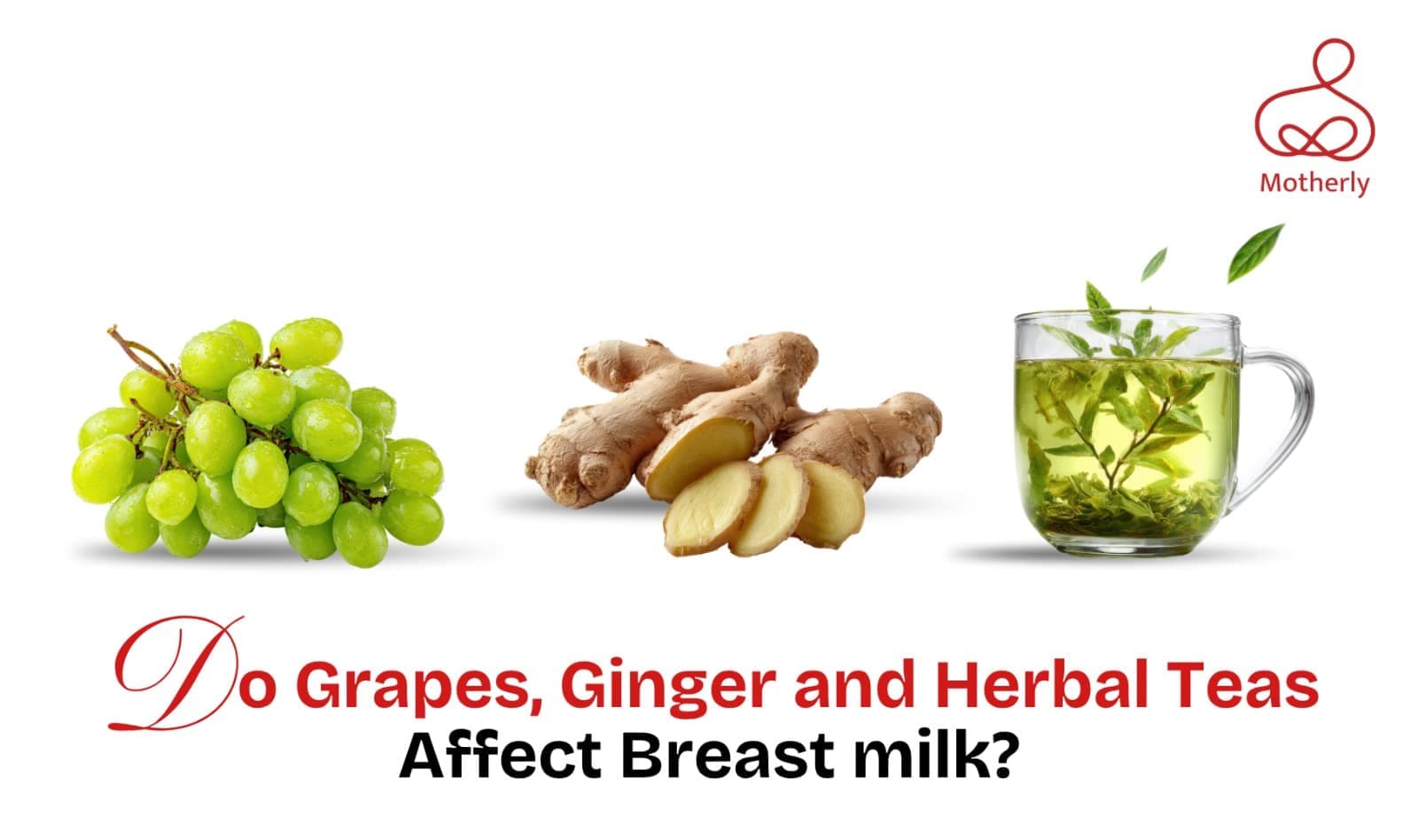
Do Grapes, Ginger & Herbal Teas Affect Breast Milk?
Breastfeeding mothers are often bombarded with advice about what to eat and what to avoid. ‘Don’t eat grapes they’ll give the baby gas.’ ‘Drink ginger tea every day it’ll boost your milk.’ ‘Avoid all herbal teas they’re not safe.’

Do Grapes, Ginger & Herbal Teas Affect Breast Milk? What Breastfeeding Mothers Should Know
✓
Motherly Fact-Checking Standards — Every piece of content at Motherly is created with care, compassion, and a commitment to accuracy. Our team ensures every article reflects the highest standards of medical integrity, clarity, and empathy.
Breastfeeding mothers are often bombarded with advice about what to eat and what to avoid. ‘Don’t eat grapes — they’ll give the baby gas.’ ‘Drink ginger tea every day — it’ll boost your milk.’ ‘Avoid all herbal teas — they’re not safe.’ Some of this advice is backed by real evidence. Some is cultural myth. And some lands in the grey area where science is still catching up.
This article gives you a clear, evidence-informed breakdown of the most commonly asked-about foods and drinks — including grapes, ginger, and a range of popular herbal teas.
✓
Motherly Tip: What passes into breast milk depends on concentration, your baby’s age, and how often you consume something. Small amounts of most foods are generally safe. If you’re ever unsure, speak to a certified lactation consultant before making significant dietary changes.
Grapes and Breast Milk: What You Need to Know
Are Grapes Safe While Breastfeeding?
Yes — grapes are safe to eat while breastfeeding in normal dietary quantities. Grapes are a nutritious fruit rich in Vitamin C, Vitamin K, antioxidants, and hydration-supporting water content. There is no credible evidence that eating grapes harms breast milk quality or causes problems for breastfed babies.
Why Do Some People Say Grapes Are Bad for Breastfeeding?
In some Indian and traditional communities, grapes — particularly black grapes — are believed to be ‘cold’ or ‘heavy’ foods that cause digestive issues in the baby. This is rooted in traditional humoral medicine, not in clinical evidence.
Some babies may be sensitive to specific foods in their mother’s diet, and if you notice gassiness or unusual fussiness after eating grapes, you can try eliminating them for a week and observing. But for most mothers and babies, grapes are completely fine.
What About Grapes and Resveratrol?
Resveratrol, a compound found in grape skins, is present in grape juice and red wine. Since alcohol is a concern during breastfeeding, mothers sometimes worry about grapes. Resveratrol in food amounts (i.e., eating grapes) is not the same as consuming alcohol and does not pose any known risk to breastfed babies.
Green vs Black Grapes — Is There a Difference?
Both are safe. Green grapes are slightly higher in Vitamin C; black and red grapes are higher in antioxidants. Eat whichever you enjoy. Wash them thoroughly before eating, and avoid eating in excess — a handful is plenty, as high fruit sugar intake warrants moderation for all adults.
Ginger and Breast Milk: The Facts
Is Ginger Safe While Breastfeeding?
Yes — ginger in culinary amounts is considered safe for breastfeeding mothers. Ginger is widely used in Indian cooking and in postpartum care, and it has genuine health benefits: it reduces nausea, aids digestion, has anti-inflammatory properties, and is warming — particularly helpful in the early postpartum weeks.
Does Ginger Affect Milk Supply?
Interestingly, ginger appears in both traditional galactagogue lists and traditional milk-reducing remedy lists — depending on the source and culture. Current evidence does not strongly support ginger as either significantly increasing or decreasing milk supply in normal culinary amounts. The safest approach is to enjoy it as you normally would in cooking and tea.
How Much Ginger Is Safe?
Culinary amounts — ginger in chai, ginger in sabzi, a piece of ginger in dal, ginger chutney — are completely safe. Large medicinal doses of ginger supplements (1,000mg+ per day) are not recommended without medical guidance during breastfeeding, as very high doses can have blood-thinning effects.
Ginger Tea for Breastfeeding Mothers
A cup or two of ginger tea daily is a time-honoured postpartum practice in India and is generally regarded as safe and beneficial. It supports digestion, warms the body, and may help with postpartum joint discomfort. Enjoy it without concern.
Traditional postpartum kadhas — ginger, ajwain, turmeric, and jaggery in warm water — are nutritionally sound and safe for most breastfeeding mothers. The wisdom behind them is real.
Herbal Teas and Breast Milk: A Complete Guide
Herbal teas are not all equal. Some are beneficial for breastfeeding, some are neutral, and some should be limited or avoided. Here’s a breakdown of the most commonly consumed herbal teas and their impact on breastfeeding.
✓ Safe & Beneficial
1
Fennel Tea (Saunf)
Fennel is one of the most recommended herbal teas during breastfeeding. It contains phytoestrogens and compounds believed to support milk production. It also has antispasmodic properties that may help reduce colic in babies (via breast milk). A cup or two daily is widely considered safe.
2
Fenugreek Tea (Methi)
Fenugreek is the most studied herbal galactagogue. Fenugreek tea or soaking seeds in water has been used for generations to increase milk supply. It is generally safe in food and tea quantities. Very high supplemental doses should be avoided without guidance.
3
Moringa Tea (Drumstick Leaves)
Moringa is among the most nutritionally impressive herbs available in India. Several studies suggest it supports milk volume increase in postpartum mothers. Moringa tea or powder added to food is considered safe and highly beneficial during breastfeeding.
⚠ Use with Caution
4
Chamomile Tea
Chamomile is a gentle, calming tea widely used for relaxation. While occasional use is likely fine, there is limited safety data specifically for breastfeeding. Daily use in large amounts is not recommended. If you enjoy chamomile, limit to one cup occasionally rather than daily.
5
Peppermint Tea
This is one to watch. Peppermint (pudina) in large amounts is traditionally used to dry up milk — it’s even used by mothers who are weaning. A very occasional small cup is unlikely to cause harm, but regular, high-volume peppermint tea consumption may reduce supply. Limit yourself to half a cup occasionally.
6
Green Tea
Green tea contains caffeine — approximately 20–45mg per cup. The recommended caffeine limit during breastfeeding is 200–300mg per day. One to two cups of green tea per day is within this limit and is generally safe. Be mindful of total daily caffeine including coffee and chai.
7
Chai / Indian Masala Tea
Most Indian mothers would not consider giving up their morning chai — and they don’t have to. Two cups of chai per day is well within safe caffeine limits. Just factor this into your total daily caffeine count if you also drink coffee or green tea. Adding ginger and cardamom adds digestive and anti-inflammatory benefits.
✕ Avoid During Breastfeeding
Sage Tea — Used deliberately by mothers who want to reduce or stop their milk supply when weaning. Even small amounts consumed regularly can reduce prolactin levels and lower milk output. Avoid unless intentionally trying to reduce supply.
Hibiscus (Roselle) Tea — May have mild hormonal and uterine effects. There is insufficient safety data for breastfeeding, and some herbalists advise caution. Skip this during the breastfeeding period.
Lemongrass Tea in Large Amounts — While occasional tea is unlikely to cause issues, high-volume lemongrass tea is not recommended during breastfeeding due to limited safety data.
Confused About What’s Safe While Breastfeeding?
Our Motherly lactation consultants can review your diet and give personalised recommendations tailored to you.
Book at Motherly → mothrly.com · Free to download · Android & iOSQuick Reference: Verdict on Common Foods & Drinks
| Grapes | Safe in moderation. Fine as part of a balanced diet. Avoid in very large quantities. |
| Green Grapes | Safe. Hydrating and nutritious. No evidence of harm to milk. |
| Ginger | Safe in culinary amounts. Beneficial in small-moderate amounts. Avoid large supplement doses. |
| Chamomile Tea | Use with caution. Limited safety data. Occasional cup likely fine, not daily. |
| Peppermint Tea | Limit intake. May reduce supply in large amounts. Occasional use is fine. |
| Sage Tea | Avoid large amounts. Used traditionally to reduce supply — limit during breastfeeding. |
| Fennel / Saunf Tea | Safe & beneficial. Galactagogue properties. May support supply and reduce colic. |
| Fenugreek Tea | Safe in moderation. Traditional galactagogue. Avoid large supplement doses. |
| Moringa Tea | Safe & beneficial. Evidence supports milk volume increase. Widely used postpartum. |
| Green Tea | 1–2 cups/day max. Contains caffeine. Keep within daily caffeine limit of 200mg. |
| Black Tea / Chai | Moderate — 2 cups/day. Caffeine present. Enjoy in moderation with milk and ginger. |
| Hibiscus Tea | Avoid. May have hormonal and uterine effects — avoid while breastfeeding. |
| Ashwagandha Tea | Consult doctor first. Adaptogenic herb — insufficient safety data for breastfeeding. |
What the Evidence Actually Tells Us
- Most dietary restrictions are not evidence-based. The rules around food and breastfeeding are simpler than they’re often made out to be. Eat a nutritious, balanced diet and use common sense with supplements.
- Cultural wisdom and modern science often align. Traditional postpartum foods like methi, moringa, jeera water, and ginger kadha have genuine nutritional backing alongside their traditional use.
- Individual baby sensitivity matters. If your baby consistently seems gassy or fussy within 4–6 hours of a specific food, eliminate it for a week and track the pattern. This is the most reliable way to identify true sensitivities.
- Babies taste what you eat. Research suggests babies fed by mothers with varied diets show greater acceptance of diverse foods when solids are introduced. Strong flavours like garlic, curry, and ginger flavour breast milk — and some studies suggest babies feed longer when milk has been flavoured with garlic.
When to Get Expert Support — Motherly Is Here
If you’re ever genuinely uncertain about a food, herb, or supplement — or if you’re managing a supply concern alongside dietary questions — a certified lactation consultant is your best resource. At Motherly, our consultants understand both modern evidence and traditional Indian postpartum wisdom.
Lactation Consultants
Personalised nutrition and supply guidance, latch assessment, and evidence-based dietary recommendations.
Doulas
Emotional and physical postpartum support that includes guidance on traditional postpartum care practices.
Postnatal Nannies
Trusted in-home newborn care so you have the time and energy to focus on nourishing yourself and your baby.
Gynaecologists
Postnatal health assessments and personalised guidance on supplements and dietary safety during breastfeeding.
Personalised Lactation Nutrition Advice — Motherly
Get guidance from certified lactation consultants who understand Indian diets and postpartum traditions. Available across Chennai.
Book on Motherly →
Get it onGoogle Play
Download on theApp Store
Free to download · Android & iOS · Book in under 2 minutes · mothrly.com
The Final Word from Motherly
The rules around food and breastfeeding are simpler than they’re often made out to be: eat a nutritious, balanced Indian diet, stay well-hydrated, include known galactagogues regularly, and use common sense with herbal supplements. Most foods are safe. Most teas are fine in moderation. And most maternal diet ‘restrictions’ passed on through family advice are not backed by evidence.
If you’re ever unsure, our certified lactation consultants at Motherly are trained to give you personalised, evidence-based guidance that respects both modern science and traditional Indian postpartum wisdom.
Motherly was built to bridge the gap in India’s maternal care landscape. From lactation consultants to doulas, postnatal nannies to gynaecology consultations — we’re here for every mother, every step of the way.
Frequently Asked Questions
Can I eat grapes every day while breastfeeding?
+
Yes, in normal amounts — a small bowl of grapes daily is perfectly fine for most breastfeeding mothers. Grapes are nutritious and hydrating. Monitor your baby’s response, as with any food, but there’s no reason to avoid them.
My baby seems gassy after I drink ginger tea — should I stop?
+
Some babies are sensitive to certain compounds that pass through breast milk. If you notice a consistent pattern — gassiness or fussiness within 4–6 hours of drinking ginger tea — eliminate it for a week and see if there’s an improvement. This kind of food-symptom tracking is the most reliable way to identify sensitivities.
Can I drink tulsi (holy basil) tea while breastfeeding?
+
Tulsi is considered safe in culinary amounts and occasional tea in Indian tradition. As with most herbs, large medicinal doses of tulsi supplement during breastfeeding have not been well studied. A cup of tulsi tea occasionally is unlikely to cause harm.
I was told all herbal teas are unsafe during breastfeeding — is that true?
+
No. This is an overcorrection. Many herbal teas are not only safe but actively beneficial during breastfeeding — moringa, fennel, fenugreek, and ginger being prime examples. The correct approach is to evaluate each herb individually, not to avoid all herbal teas.
Does what I eat really affect the taste of my breast milk?
+
Yes — and this is actually beneficial. Babies whose mothers eat a varied diet during breastfeeding are introduced to a wider range of flavours through breast milk, which may support acceptance of diverse foods when solids are introduced. Strong flavours like garlic, curry, and ginger can flavour breast milk — and some research suggests babies actually feed longer when the milk has been flavoured with garlic.
Lactation Support
Breastfeeding
Breast Milk Supply
New Mother Care
Postpartum Recovery
Galactagogues
M
Motherly Editorial Team
Written by Chennai’s trusted maternal care platform. Motherly connects new mothers with certified lactation consultants, doulas, postnatal nannies, and gynaecologists. Visit mothrly.com to book expert support near you.
Stay Updated with Motherly
Keep Reading

Is It Safe to Travel by Two-Wheeler During Pregnancy?
For millions of Indian women, the two-wheeler isn't a luxury it's a necessity. It's how you get...

Is Folic Acid Enough in First Trimester or Do You Need More?
If there's one pregnancy supplement every Indian woman has heard of, it's folic acid. Doctors prescribe it,...

Why Do I Feel So Cold During Early Pregnancy?
You're wrapped in a shawl in the middle of summer. Your hands are icy when everyone around...
Useful Resources & Guides
Keep Reading

LACTATION
Is It Safe to Travel by Two-Wheeler During Pregnancy?
For millions of Indian women, the two-wheeler isn’t a luxury it’s a necessity. It’s how you get to work, to the clinic,
May 4, 2026

LACTATION
Is Folic Acid Enough in First Trimester or Do You Need More?
If there’s one pregnancy supplement every Indian woman has heard of, it’s folic acid. Doctors prescribe it, pharmacists
May 4, 2026