
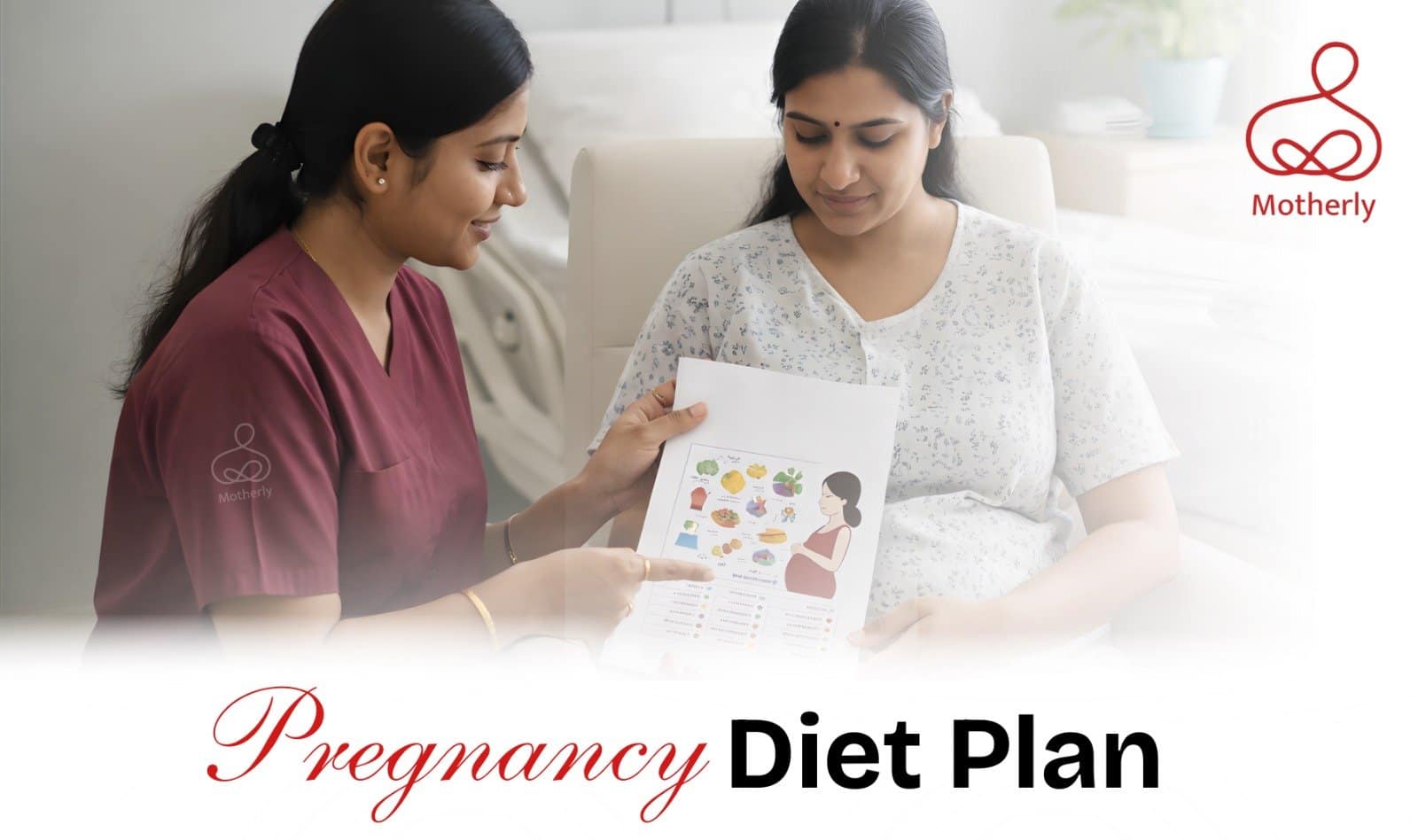
Pregnancy Diet Plan: A Complete Guide to Nutrition, Meal Plan & Essential Nutrients
Every piece of content at Motherly is created with care, compassion, and a commitment to accuracy. Our team ensures that every article, guide, and insight reflects the highest standards of medical integrity, clarity, and empathy. To learn how we maintain trustworthy, evidence-based information that supports your parenting journey, explore our content review principles.
The Complete Pregnancy Diet Chart: What to Eat & Why It Matters
Your body needs extra nutrients during this time — especially nutrients that support brain development, bone formation, blood production, and immunity. Eating balanced meals at regular intervals can also help manage common pregnancy discomforts like nausea, tiredness, cravings, and digestion issues.
Meal portions can be adjusted depending on appetite and trimester stage. In the first trimester, smaller frequent meals often help reduce nausea. In the second and third trimesters, meals rich in protein, iron, and calcium become more important to support the baby's rapid growth.
Key Pregnancy Diet Plan Nutrients to Focus On
Folate
Folate supports early fetal development and reduces the risk of neural tube defects. It also plays an important role in healthy cell growth and DNA formation.
Sources in the Indian Diet: Green leafy vegetables, spinach, methi, lentils, legumes, and fortified cereals.
Iron
Iron helps produce blood and prevents anaemia during pregnancy. Since blood volume increases naturally, iron requirements also rise.
Sources in the Indian Diet: Lentils, spinach, beetroot, jaggery, poultry, red meat, and fortified grains.
Protein
Protein supports tissue formation, placenta development, and overall fetal growth.
Sources in the Indian Diet: Dal, eggs, paneer, curd, milk, legumes, soy products, and nuts.
Calcium
Calcium supports strong bone and teeth development for the baby while protecting maternal bone health.
Sources in the Indian Diet: Milk, curd, paneer, sesame seeds, ragi, and fortified plant-based milk.
Omega-3 Fatty Acids & Vitamin D
These nutrients support brain development, immune function, and healthy bone growth.
Sources in the Indian Diet: Walnuts, flaxseeds, sunlight exposure, and fortified dairy products.
Fiber
Fiber supports digestion and helps reduce constipation, which is very common during pregnancy.
Sources in the Indian Diet: Whole grains, fruits, vegetables, and legumes.
Suggested Daily Meal Timing in a Pregnancy Diet Plan
| Time | Food Suggestions | Purpose |
|---|---|---|
| Early Morning | Warm water / Soaked almonds | Hydration & calcium support |
| Breakfast | Dosa / Idli / Eggs / Roti with dal | Protein + Energy |
| Mid-Morning | Seasonal fruit + Nuts | Vitamins & Fiber |
| Lunch | Roti or Rice + Dal + Vegetables + Curd | Balanced nutrition |
| Evening Snack | Roasted chana / Sprouts / Soup | Controls cravings |
| Dinner | Light meal with protein + vegetables | Easy digestion |
| Bedtime | Warm milk | Calcium + Relaxation |
Importance of Hydration During Pregnancy
Staying hydrated is extremely important during pregnancy. Proper fluid intake supports blood circulation, maintains amniotic fluid levels, and contributes to healthy fetal development.
Drinking enough water also helps reduce discomforts such as fatigue and digestive problems. Along with water, you can include natural hydration options like coconut water and fresh fruit juices — just avoid adding extra sugar.
Foods to Include in a Pregnancy Diet Plan
| Food Category | Examples | Why It Helps |
|---|---|---|
| Leafy Greens | Spinach, Methi, Kale | Rich in folate and iron for fetal development |
| Protein Sources | Dal, Paneer, Eggs, Legumes | Supports tissue growth and placenta development |
| Dairy Products | Milk, Curd, Cheese | Provides calcium for bone strength |
| Whole Grains | Roti, Brown Rice, Millets | Provide sustained energy and fiber |
| Nuts & Seeds | Almonds, Walnuts, Flaxseeds | Support brain development & healthy fats |
Choosing natural, fresh, and minimally processed foods ensures essential nutrients like protein, iron, calcium, and folate are included daily, supporting both maternal and fetal health.
Foods to Avoid During Pregnancy
| Food | Reason to Avoid |
|---|---|
| Raw or Undercooked Meat | Risk of bacterial infection |
| Unpasteurised Dairy | May contain harmful bacteria like Listeria |
| Excess Caffeine | Can increase risk of pregnancy complications |
| Raw Papaya / Unwashed Food | May cause uterine contractions or infections |
| Processed Junk Food | Leads to excess weight gain & poor nutrition |
Guidance from Global Health Recommendations
Health organisations such as WHO recommend regular antenatal monitoring along with proper nutrition during pregnancy. WHO advises pregnant women to have at least eight antenatal contacts with healthcare providers. These visits help monitor fetal growth, track blood pressure and haemoglobin levels, and detect possible complications early.
- Daily iron (30–60 mg) and folic acid (400 µg) supplementation
- At least one ultrasound scan before 24 weeks
- Counselling on balanced nutrition, safe food practices, and physical activity
- Routine screening, blood tests, and vaccinations as advised by doctors
Anaemia During Pregnancy — A Public Health Concern in India
Anaemia remains one of the most common nutritional challenges during pregnancy in India. According to NFHS-5 (2019–2021), more than half of pregnant women in India are affected by anaemia, with higher prevalence in rural areas.
Iron deficiency is the main cause and is often linked to low dietary intake, poor absorption, infections, and increased nutritional demand during pregnancy.
Including iron-rich foods like green leafy vegetables, legumes, pomegranate, and fortified foods in a pregnancy diet plan helps improve iron levels naturally along with medical support.
Pregnancy Supplements and Additional Nutritional Support
Even with a balanced pregnancy diet plan, some nutrients may require supplementation as recommended by healthcare professionals.
Iron and folic acid supplements are commonly prescribed to reduce the risk of anaemia and support healthy fetal growth. Vitamin D or calcium supplements may also be suggested based on individual health needs and blood test results.
Physical Activity and Lifestyle Considerations
A healthy pregnancy diet plan works best when combined with light physical activity and balanced lifestyle habits.
Book a Pregnancy Nutrition Consultation — Motherly Is Ready
Certified gynaecologists, doulas, lactation consultants, and postnatal nannies — all in one app, available across Chennai.
Book on Motherly → Free to download · Android & iOS · Book in under 2 minutes · mothrly.comCommon Questions About Pregnancy Diet Plan
Final Takeaway
A balanced pregnancy diet plan combined with proper medical supervision creates a strong foundation for healthy maternal and baby development.
At Motherly, our goal is to provide practical, evidence-informed guidance that feels manageable in everyday life. Small, consistent changes in daily food choices, regular antenatal checkups, adequate hydration, and safe supplementation together make a meaningful difference throughout pregnancy.
Stay Updated with Motherly
Keep Reading
Why Is My Breast Milk Not Coming? Causes and Easy Solutions
You're exhausted. You've been feeding your baby what feels like every hour. Your mother-in-law says feed more...
Why Is It So Hard to Lose Weight While Breastfeeding?
You're exhausted. You've been feeding your baby what feels like every hour. Your mother-in-law says feed more...

When Do You Lose the Most Weight While Breastfeeding?
You're exhausted. You've been feeding your baby what feels like every hour. Your mother-in-law says feed more...